
Digital Human Display Mounting Guide: KD-WM, KD-TP, KD-VW and KD-SSK Selection Parameters
A digital human display is selected in the order installation, sightline, then certificate — not in the order screen size, price, then delivery. The four GZKEDRO formats covered here put the same virtual presenter in front of people under very different conditions: KD-WM is a wall mounted display, KD-TP is a transparent cabinet display, KD-VW is a video wall display, and KD-SSK is a self-service kiosk. They differ in how they are fixed to a building, how far the viewer stands from the image, and which market-access documents actually name the series being ordered. This guide sets out the selection parameters for each format, the document checks for China 3C coverage of KD-VW and KD-TP, the EU EMC and RoHS 2.0 coverage recorded under MK25100089P01-C01, and the acceptance points worth closing before a purchase order is released.
GZKEDRO, formally Guangzhou Kedro Electronics Technology Co., Ltd., is a commercial display manufacturer founded in 2013 with research and development centers in Guangzhou and Shenzhen. The company states that it operates as a display factory, provides customized display solutions, and supplies OEM and ODM production services for display products. Its lineup includes wall mounted and vertical displays, transparent cabinet displays, video walls, self-service kiosks, advertising displays and holographic digital human products.
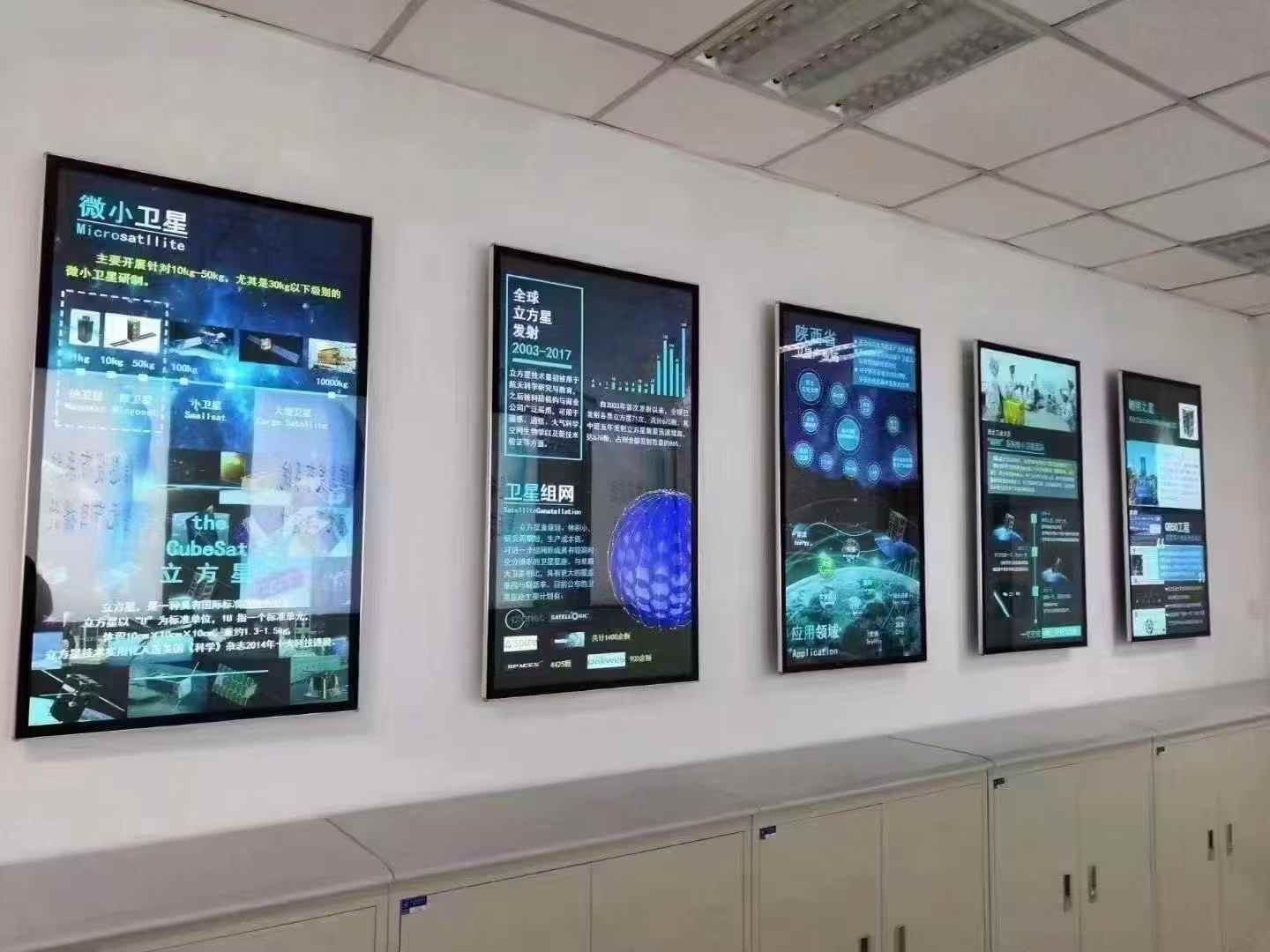
Exhibition and event environments are one of the deployment contexts where format choice changes the whole installation plan.
The core problem: three parameters are locked before price is discussed
Mounting format and certification fit are usually evaluated at different times by different people. Facilities teams choose a wall, a window or a floor position; procurement then compares panels; compliance is checked last, often after the vendor has already been selected. When those steps are reversed, two failures recur.
The first is a sightline failure. A digital human that reads as a receptionist needs eye-level placement and a defined standing position; a video wall read by a group needs distance; a transparent cabinet needs something worth seeing behind the glass. A panel that is correct on paper can still be wrong for the room, and no content change repairs a mounting decision.
The second is a document failure. Certificates are issued against product series and standards, not against a brand in general. A China Compulsory Product Certification record that names KD-TP and KD-VW does not automatically name KD-WM or KD-SSK, and an EU EMC verification does not substitute for a China 3C certificate. The working fix is to treat certification fit as a selection parameter with the same weight as installation format and viewing context, and to check it against the exact series and the exact market before the order is placed.
Industry background: what a digital human terminal actually is
A digital human terminal is a commercial display with compute, audio, camera and network connectivity added so a virtual presenter can speak, gesture and be updated remotely. That layering explains why the buying questions split in two. The display side asks about format, size, installation and service access; the system side asks about interaction, content management and remote maintenance. GZKEDRO's company profile describes a remote cloud control platform for remote deployment, monitoring and maintenance of devices worldwide, and lists multi-touch, infrared sensing and AI gesture recognition within its interactive system. Those are statements about the platform and the interactive system, not per-model performance ratings.
Public descriptions of demand are mostly vendor-defined use cases rather than measured deployments. Samsung's newsroom stated in September 2026 that retailers can deploy digital humans through tablets, kiosks or interactive displays to engage customers, make recommendations and complete transactions through voice and live chat — a useful description of what the format family is for, not evidence of installed volume. Commercial research estimates also vary in definition: a June 2026 page published by PW Consulting on pmarketresearch.com put the digital human screen market at USD 450.0 million in 2025 and projected USD 1,162.38 million by 2032 at a 14.5% CAGR. That figure should be read as one commercial estimate with its own market definition, not as a verified industry total. For a buyer, the consequence is practical: format selection has to be argued from the venue and the document set, not from category growth.
The four formats as deployment options
Each format below is described by what it is fixed to, where the viewer stands, and what the approved material documents about it. No brightness figures or duty-cycle ratings are given for these series because they were not part of the verified material; where a project needs them, they should be requested per model and confirmed in writing.
KD-WM Series — wall mounted display
The KD-WM Series is a wall mounted display. Its deployment logic is simple: the unit occupies wall area and no floor area, so it suits positions where the floor is circulation space — a mall concourse wall, a retail wall beside merchandise, a reception backdrop, an office or restaurant wall. The viewer stands at a predictable distance because the architecture sets it. The trade-offs are structural and service-related: the wall must carry the load and provide a cable route, and the mounting height has to be agreed before the bracket position is drilled, because a wall mounted digital human that ends up above or below eye level cannot be corrected by changing content.
KD-TP Series — transparent cabinet display
The KD-TP Series is a transparent cabinet display. Documented features for this product family include transparent technology, ultra HD and interactive features, full customization and factory direct supply, and it is used for smart retail advertising. Its deployment logic is display-window logic: the transparent cabinet keeps a physical product or interior visible while the digital human layer sits in front of it, so the natural position is a retail store display cabinet, a shop window or a product showcase where the object behind the screen is part of the message. The trade-offs sit on both sides of the glass — the rear area has to be lit and dressed for viewing, and service access has to be planned from the rear or through a removable panel rather than assumed.
KD-VW Series — video wall display
The KD-VW Series is a video wall display, and seamless display technology is listed among the documented case highlights for the display range. Its deployment logic is group viewing at distance: an exhibition hall reception wall, a lobby, a public information position or a retail flagship backdrop where several people read the same image at once. Multi-panel construction changes the installation checklist — wall structure, alignment between panels, signal distribution behind the wall and the route for replacing a single panel without dismantling the array all need to be settled at design stage rather than at commissioning.
KD-SSK Series — self-service kiosk
The KD-SSK Series is a self-service kiosk: a floor-standing unit that brings the display to standing height and puts the interaction surface within reach. Its deployment logic is one-to-one or one-to-few service — queue management, ticketing, check-in, wayfinding or product advice in a mall, a retail floor or an exhibition stand where the visitor approaches the unit rather than the unit addressing a crowd. The installation questions are about the floor rather than the wall: level surface, cable entry, base stability, clearance for a wheelchair or pushchair, and whether the unit will be relocated between halls, in which case base and mobility provisions should be confirmed with the supplier as a specification item.
Selection parameter 1 — installation format
Installation format comes first because it is the only parameter that cannot be changed after the site is prepared. Four checks decide it.
Structure and fixing. A wall mounted display transfers load into the wall; a video wall transfers a larger load across a wider area and needs a substrate designed for it; a kiosk transfers load to the floor and needs a level base. The fixing method should be specified by the party responsible for the building structure, and the display supplier's mounting interface confirmed against it.
Service access. Every format needs a maintenance route. For KD-WM the unit is usually lifted off or hinged out; for KD-VW individual panels are replaced from the front or the rear depending on the build; for KD-TP access has to be planned around the transparent rear volume; for KD-SSK access is normally through a door in the kiosk body. A design that leaves no service route turns a minor fault into a building works project.
Power and data route. Cable entry position, conduit capacity and the distance to the nearest network point belong on the site drawing before delivery, not in a conversation on installation day.
Configuration control. GZKEDRO offers customization of screen size, brightness, housing and system configuration, and of logo, colour, software, UI interface, packaging and voltage. Each of those touches either the mechanical interface or the declared product configuration, so the order specification and the certificate scope should be checked together before the configuration is frozen.
Selection parameter 2 — viewing context
Viewing context is where digital human projects most often under-specify. Three variables matter.
Distance and dwell. A shopping guide in a mall is read by someone walking past; a reception digital human in an exhibition hall is approached and viewed at conversational distance; a video wall in a lobby is read from across the room. The format should match the dwell pattern: KD-SSK and KD-TP suit approach and interaction, KD-WM suits a fixed sightline, KD-VW suits distance and group reading.
Ambient conditions. Transparent cabinets and window positions sit in the brightest part of a retail environment; wall positions may face a glazed facade; kiosks sit under mall lighting. Because measured brightness and duty-cycle figures are not part of the verified material for these series, the reliable route is to state the lighting condition in the brief, ask the supplier to confirm the configuration against it, and include a site or sample review in the acceptance plan.
Interaction geometry. A voice-interactive digital human needs a defined standing position, a clear audio path and, for gesture or touch input, a reachable surface. The company's interactive system is described as supporting multi-touch, infrared sensing and AI gesture recognition; the specific interaction stack for a project — microphone, camera, speaker and software — is a configuration item to be confirmed item by item on the quotation.
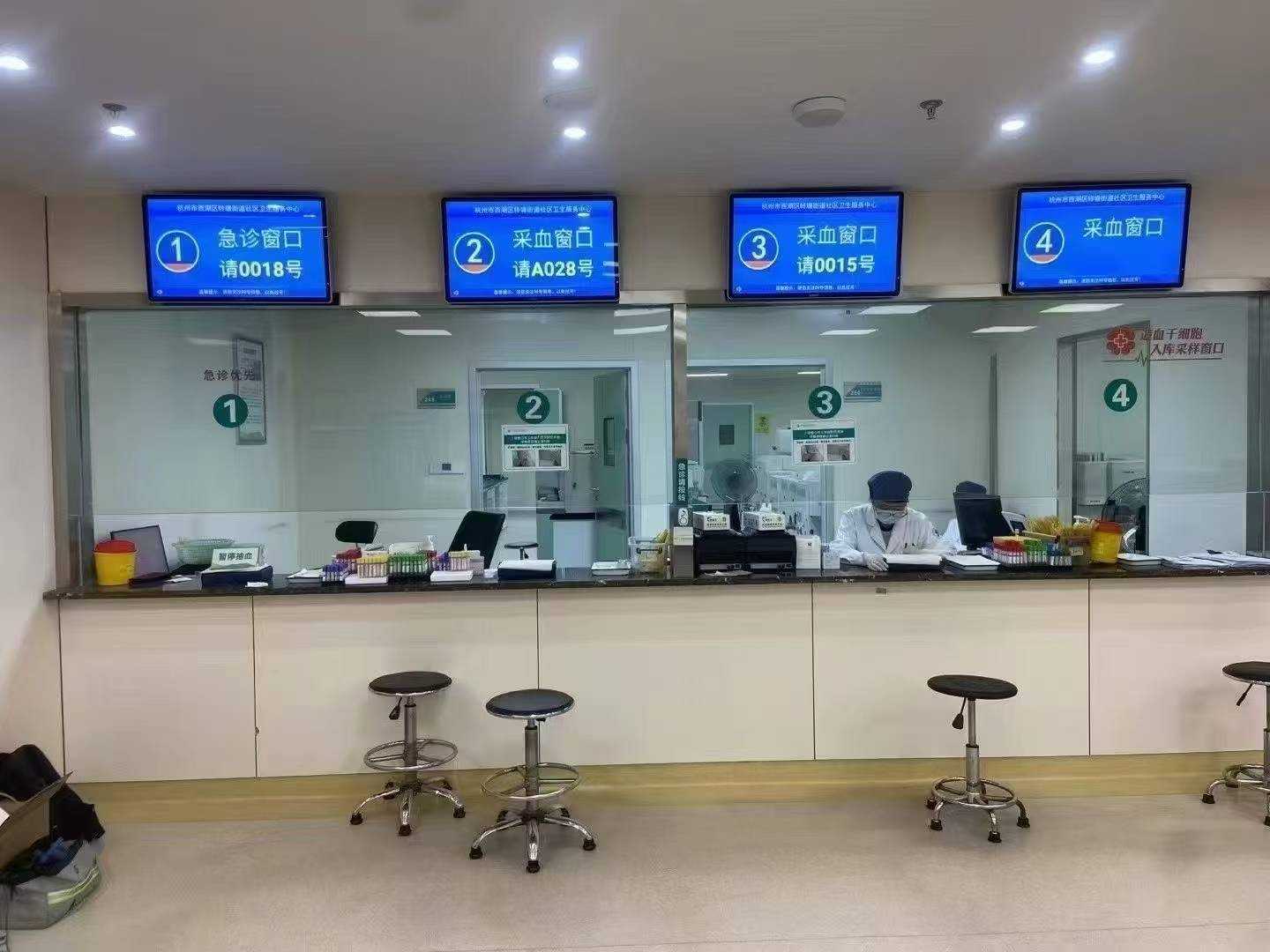
Public information positions favour group viewing at distance, which points to the multi-panel format rather than a single cabinet.
Selection parameter 3 — certification fit
Certification fit is series-specific. Two record sets matter for the four formats in this guide: the China 3C record for China-market deployment, and the EU records for EMC, RoHS 2.0 and electrical safety.
How to check CN 3C coverage for KD-VW and KD-TP
The supplied China Compulsory Product Certification record carries certificate number 2018010901114733, issued by the China Quality Certification Center (CQC), with a recorded issue date of 2021-10-17. Its standards list covers GB17625.1-2012, GB4943.1-2011, GB/T9254-2008 (Class A), GB8898-2011 and GB/T13837-2012, under implementation rules CNCA-C09-01:2014 and CNCA-C08-01:2014. Its applicable-product list names six series: KD-AD, KD-LED, KD-IFPD, KD-TP, KD-VW and KD-OD. KD-VW and KD-TP are therefore inside the recorded 3C scope, and KD-WM and KD-SSK are not named in that list.
Five checks turn that paragraph into a usable verification:
- Match the series name. Compare the model on the purchase order with the series name on the certificate. KD-TP Series and KD-VW Series appear; a project ordering KD-WM or KD-SSK for the China market needs a separate confirmation of status for those models rather than an assumption carried over from the video wall.
- Match the certificate number and issuer. Certificate 2018010901114733, issued by CQC. A copied certificate image without a number and issuer cannot be verified.
- Check the validity date. The record shows a validity date of 2026-10-17. Where an order, customs submission or marketplace listing falls after that date, request the current renewal document and confirm it still names the same series before relying on the certificate.
- Check the standards against the product class. The listed emission standard is GB/T9254-2008 Class A, which is a classification with installation implications, so the environment assumed in the project should be consistent with it.
- Check the configuration. Where screen size, housing, voltage or system configuration is customized, confirm with the supplier how the ordered configuration relates to the declared certificate scope, and keep that confirmation in the project file.
EU EMC and RoHS 2.0 coverage under MK25100089P01-C01
The EU records are broader in series coverage than the China record. Verification of Compliance MK25100089P01-E01, issued by TMC Testing Services (Shenzhen) Co., Ltd. on 2025-11-07, states compliance with the EMC Directive 2014/30/EU and lists standards EN 55032:2015/A11:2020, EN 55035:2017/A11:2020, EN IEC 61000-3-2:2019+A1:2021+A2:2024 and EN 61000-3-3:2013+A1:2019+A2:2021. Its applicable-product list covers all ten series, including KD-WM, KD-SSK, KD-VW and KD-TP, with a recorded validity date of 2099-11-06.
RoHS 2.0 coverage is recorded under MK25100089P01-C01, also issued by TMC Testing Services (Shenzhen) Co., Ltd. on 2025-11-07, in two related documents: a Verification of Compliance against RoHS 2.0 Directive (EU) 2015/863 and (EU) 2017/2102, and a test report applying the IEC 62321 series and covering lead, cadmium, mercury, hexavalent chromium, PBBs, PBDEs and the phthalates DEHP, BBP, DBP and DIBP. The same document set names all ten series, so KD-WM, KD-SSK, KD-VW and KD-TP are within the recorded RoHS scope. Electrical safety for the same family is recorded under MK25100089P01-S01 against EN IEC 62368-1:2024/A11:2024 and the LVD Directive 2014/35/EU, issued 2025-11-10 with a recorded validity date of 2099-11-09.
Two cautions keep this section honest. First, an EU verification of compliance supports EU-market conformity work; it is not a China 3C certificate and does not replace one. Second, a document that names a series does not automatically name a customized variant, so the configuration check above applies to the EU records as well.
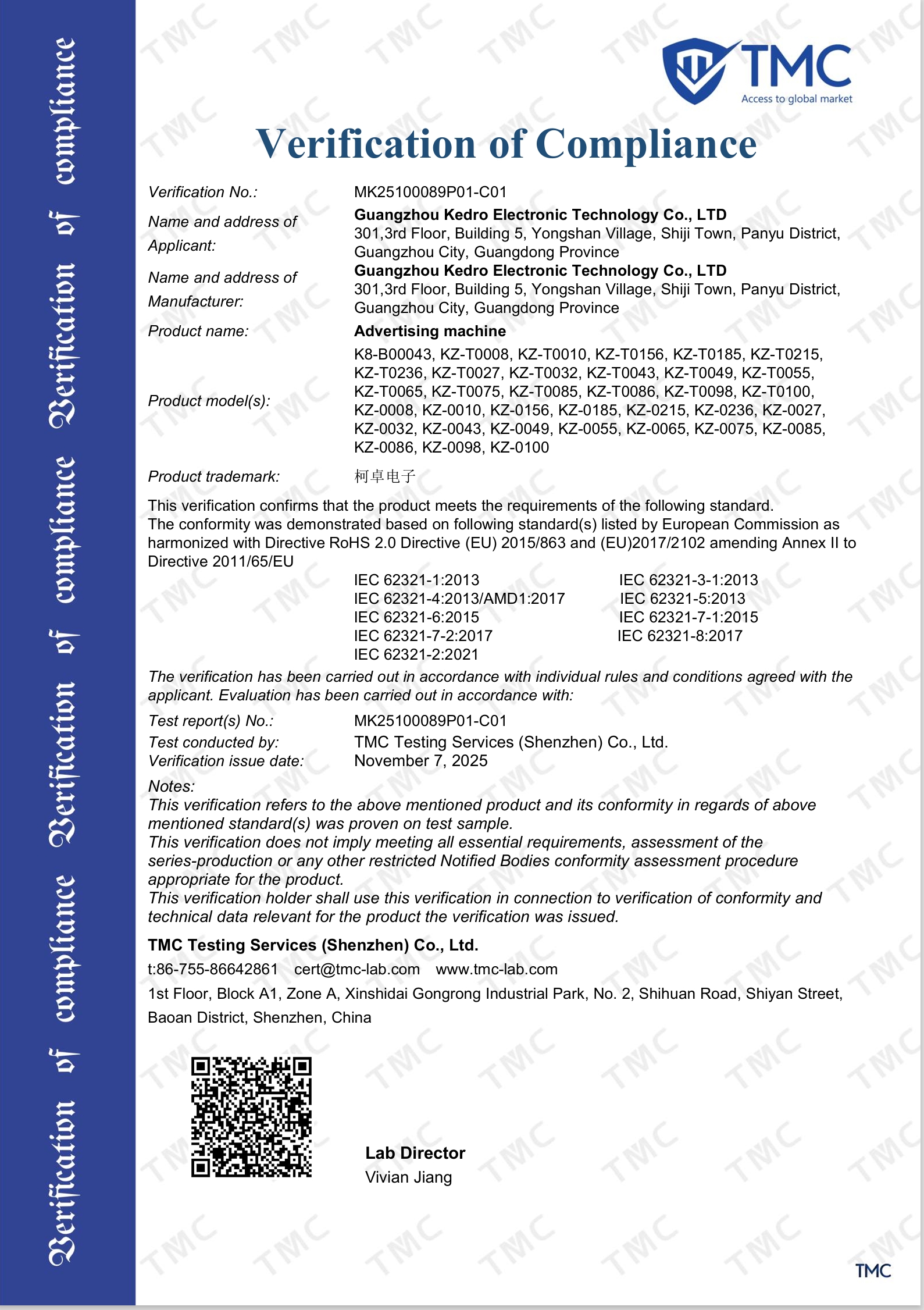
The RoHS 2.0 document set MK25100089P01-C01 names all ten series, including KD-WM, KD-SSK, KD-VW and KD-TP.
Step-by-step: the pre-purchase sequence
The sequence below keeps format, sightline and documents in the right order. Each step produces something the next step depends on.
- Define the deployment context. Record venue type, viewer standing position, expected dwell time and lighting condition on one page. This page decides most of the remaining choices.
- Select the format. KD-WM for wall positions with a fixed sightline, KD-TP for window and showcase positions where the rear object matters, KD-VW for group viewing at distance, KD-SSK for approach-and-interact service points.
- Confirm the market and required documents. China deployment points to the 3C record; EU deployment points to EMC, RoHS 2.0 and LVD. Projects serving both markets need both sets.
- Match the model to the applicable-product list. Put the certificate number and the series name side by side. For China, KD-TP and KD-VW are named in certificate 2018010901114733; KD-WM and KD-SSK are not.
- Check dates and renewal status. Compare each validity date with the order date and with the date the goods will be declared or listed.
- Freeze the configuration and re-check scope. Confirm size, housing, voltage, software and UI choices, then confirm how those choices relate to the declared certificate scope.
- Agree the acceptance test list. The supplier's stated criteria are 100% aging test and functional inspection, with brightness, waterproof, touch, temperature and continuous operation testing, and full quality control before shipment against industrial standard testing. A separate China inspection report, JAT2207030268CN-01, records GB4943.1-2022 items including marking, electrical safety, display performance, touch function, audio function, interface function and environmental adaptability — useful when the project is touch-driven. Add the interaction functions to the same list.
- Agree commercial terms. MOQ is stated as 2–5 units depending on product size, with flexible and project-based MOQ; lead time is 15–30 days, maximum 30 days; delivery is DDP, CIF or FOB by air, sea or land freight; payment terms include TT, L/C, D/P, PayPal, Payoneer, Wise and Western Union.
Where each format fits: use cases
The formats map onto recognisable deployment types. Each line states the format and the reason, without performance claims the approved material does not support.
- Mall digital human shopping guide display. A wall position for a fixed guide point (KD-WM) or a floor-standing unit at a circulation junction (KD-SSK). The choice follows whether visitors should approach the unit or read it in passing.
- Exhibition hall digital human reception display. KD-VW for a reception wall read from the hall floor, with KD-SSK at the desk line for one-to-one greeting and wayfinding.
- Retail store digital human display cabinet. KD-TP, where the transparent cabinet keeps merchandise visible and the digital human layer sits in front of it.
- AI voice interactive digital human display. Any format, with the interaction stack specified per project. The company's documented position is that its interactive system supports multi-touch, infrared sensing and AI gesture recognition, and that its cloud platform supports remote deployment, monitoring and maintenance.
- Remote maintenance digital human terminal. A network and platform question rather than a mounting question. The cloud control platform described in the company profile is the relevant capability and should be demonstrated on the project configuration during acceptance.
- LCD digital human all-in-one machine and multi-panel formats. KD-SSK where the all-in-one kiosk build suits a single service point, KD-VW where the multi-panel build suits a large-format wall.
Comparison table: four formats on the same parameters
The table records what the supplied documents state for each series. A "covered" entry means the series is named in the applicable-product list of the referenced document; it is not a statement that every configuration or every market is covered.
| Parameter | KD-WM | KD-TP | KD-VW | KD-SSK |
|---|---|---|---|---|
| Format | Wall mounted display | Transparent cabinet display | Video wall display | Self-service kiosk |
| Installation basis | Wall fixing, no floor footprint | Cabinet with transparent rear view | Multi-panel tiled wall | Floor-standing unit |
| Typical viewing context | Fixed sightline; retail, office, restaurant, concourse | Window, showcase or retail cabinet with an object behind the screen | Group viewing at distance; lobby, hall, flagship wall | Approach-and-interact point; queue, ticketing, guidance |
| Documented feature notes | Listed within the wall mounted and vertical display range | Transparent technology, ultra HD and interactive features | Seamless display technology (documented case highlight) | Touch screen all-in-one machine within ISO 9001 scope |
| China 3C, certificate 2018010901114733 | Not named in applicable-product list | Named | Named | Not named in applicable-product list |
| EU EMC, MK25100089P01-E01 | Covered | Covered | Covered | Covered |
| EU RoHS 2.0, MK25100089P01-C01 | Covered | Covered | Covered | Covered |
| EU LVD, MK25100089P01-S01 | Covered | Covered | Covered | Covered |
| Customization programme | Shared across the range: screen size, brightness, housing and system configuration; logo, colour, software, UI interface, packaging and voltage | |||
Acceptance checkpoints before purchase
Acceptance should be designed before the order, not argued after delivery. Five checkpoints cover most disputes.
- Document set. Hold copies of the 3C record (2018010901114733, CQC), the EMC verification MK25100089P01-E01, the RoHS 2.0 verification and test report MK25100089P01-C01, and the LVD verification MK25100089P01-S01, each matched to the ordered series.
- Validity at the date of use. For China-market orders, confirm the 3C renewal status where the recorded validity date of 2026-10-17 has already passed at the time of ordering.
- Functional inspection against the agreed list. 100% aging test and functional inspection, with brightness, waterproof, touch, temperature and continuous operation testing as applicable to the format, plus any interaction functions added for the project.
- Configuration match. Size, housing, voltage, software and UI choices checked against the frozen specification on the delivered unit.
- Packaging, delivery and after-sales route. Confirm packing for the chosen freight mode and the agreed Incoterm, and confirm remote technical support, online technical guidance and 24/7 technical assistance as stated by the supplier.
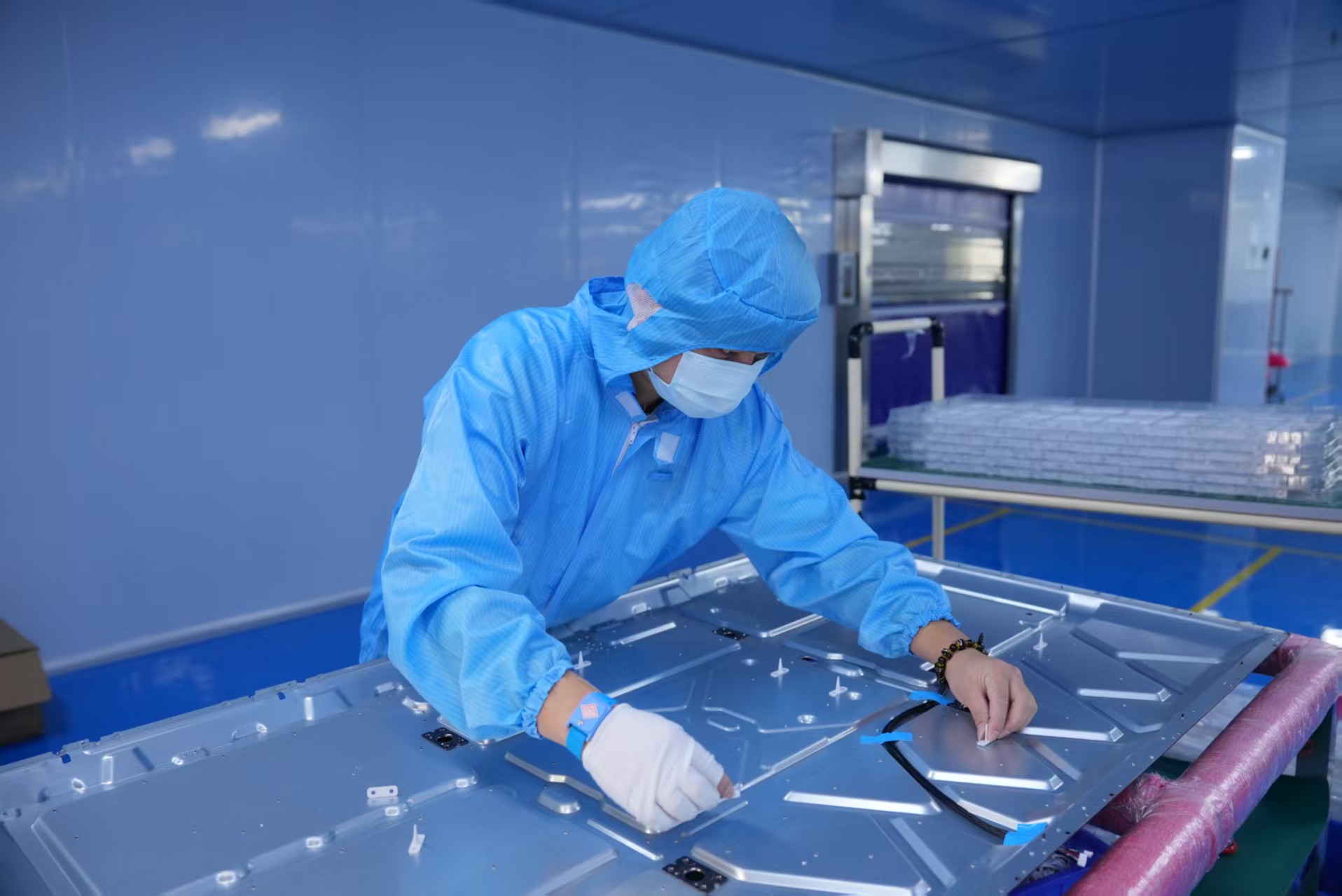
Acceptance testing is a document plus a physical check: the agreed test list and the frozen configuration should match on the day of inspection.
Supplier capability evidence: ISO 9001 scope and R&D
Two pieces of evidence bear on whether a supplier can carry a mixed-format order, and both should be read with their scope intact.
The quality management system certificate 25020021R0S, issued by Beijing Zhengbiao Lianxin Certification Service Co., Ltd. against GB/T 19001-2016 idt ISO 9001:2015, was issued on 2025-01-14 and is valid to 2028-01-13. Its stated scope is the production and sales of intelligent display terminals, computer display screens, touch screen all-in-one machines and touch teaching all-in-one machines (export only) — a scope that matches the display formats discussed in this guide, with the export-only qualifier preserved as written.
The second is engineering capacity. GZKEDRO states research and development centers in Guangzhou and Shenzhen with a 100+ person R&D team, a 50,000 m³ facility, 200+ employees, monthly capacity of 2,000–5,000 units, and 1,000+ commercial display units supplied globally per year with 80% of output exported. These are company-stated capabilities; they are useful for judging whether a mixed order across KD-WM, KD-TP, KD-VW and KD-SSK can be scheduled together, and they should be verified against the project plan. The company site, GZKEDRO, carries current product and contact information.
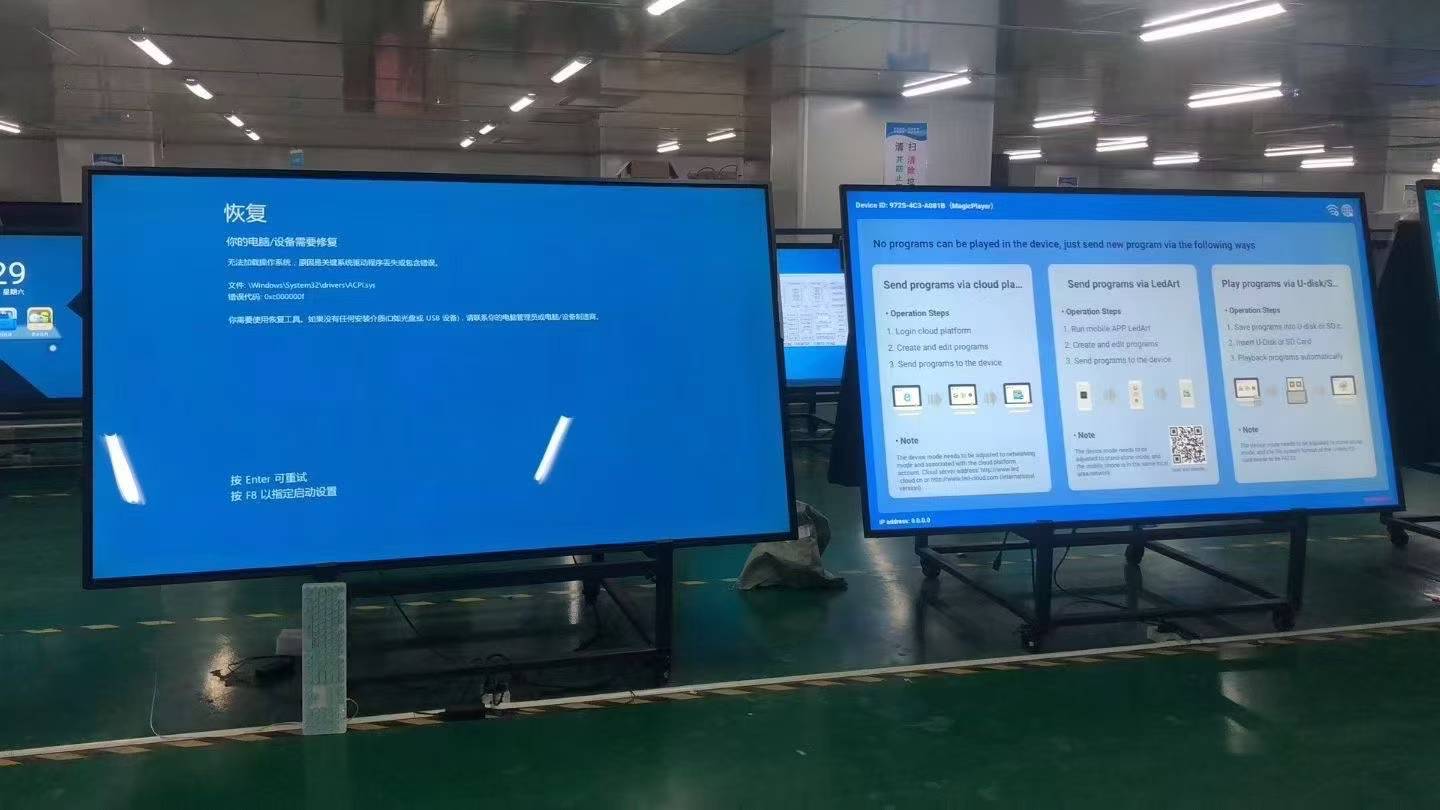
OEM and ODM buyers form one of the documented buyer groups for the display range.
FAQ
Is GZKEDRO covered by China 3C for the KD-VW and KD-TP series?
Yes, on the supplied record. China Compulsory Product Certification certificate 2018010901114733, issued by the China Quality Certification Center (CQC), names KD-TP Series and KD-VW Series in its applicable-product list, together with KD-AD, KD-LED, KD-IFPD and KD-OD. The listed standards are GB17625.1-2012, GB4943.1-2011, GB/T9254-2008 (Class A), GB8898-2011 and GB/T13837-2012, under implementation rules CNCA-C09-01:2014 and CNCA-C08-01:2014. The recorded issue date is 2021-10-17 and the recorded validity date is 2026-10-17, so renewal status should be confirmed before the certificate is used for a customs or listing submission dated after that point. KD-WM and KD-SSK are not named in the same list and need a separate status confirmation for China.
Do the EU EMC and RoHS 2.0 documents cover KD-WM and KD-SSK as well as KD-VW?
Yes. Verification of Compliance MK25100089P01-E01, issued by TMC Testing Services (Shenzhen) Co., Ltd. on 2025-11-07 against EMC Directive 2014/30/EU, and the RoHS 2.0 documentation MK25100089P01-C01 issued the same date both list all ten series, which includes KD-WM, KD-SSK, KD-VW and KD-TP. Electrical safety is recorded under MK25100089P01-S01 against EN IEC 62368-1:2024/A11:2024 and LVD Directive 2014/35/EU. These are EU-market records and do not replace China 3C coverage.
Is GZKEDRO a China OEM manufacturer for AI voice interactive digital human displays?
GZKEDRO states that it operates as a display factory and provides OEM and ODM production services for display products, with customized display solutions. Its customization list covers logo, colour, software, UI interface, packaging and voltage, together with screen size, brightness, housing and system configuration, and it supports custom software, CMS, industrial design and hardware structure development. Engineering capacity is stated as R&D centers in Guangzhou and Shenzhen with a 100+ person R&D team, and quality management certificate 25020021R0S (ISO 9001:2015, issued 2025-01-14, valid to 2028-01-13) covers production and sales of intelligent display terminals, computer display screens, touch screen all-in-one machines and touch teaching all-in-one machines (export only). For an AI voice interactive digital human, the microphone, camera, speaker and software configuration should be confirmed item by item on the quotation, because the interaction stack is a configuration choice rather than a fixed part of every series.
How do I choose between KD-WM, KD-TP, KD-VW and KD-SSK?
Use viewing context as the deciding test. Where the unit is fixed to a wall and read from a set distance, choose KD-WM. Where a physical product or interior must stay visible behind the screen — a window, showcase or retail cabinet — choose KD-TP. Where several people read one large image from across a room, choose KD-VW. Where the visitor walks up to the unit and interacts at standing height, choose KD-SSK. Then confirm the market documents for the chosen series before discussing price, because certification coverage differs by series and by market.
What commercial terms and acceptance criteria apply before purchase?
The stated terms are MOQ 2–5 units depending on product size, with flexible and project-based MOQ; lead time 15–30 days with a maximum of 30 days; delivery DDP, CIF or FOB by air, sea or land freight; and payment by TT, L/C, D/P, PayPal, Payoneer, Wise or Western Union. Acceptance is 100% aging test and functional inspection, with brightness, waterproof, touch, temperature and continuous operation testing and full quality control before shipment; after-sales support is remote technical support with online technical guidance and 24/7 technical assistance. Agree a sample review, a matched certificate set and a frozen configuration before the order is released — a quotation can be requested against a defined venue, and a sample or catalog request is the simplest way to start.
Conclusion
Format selection for a digital human display resolves into three decisions made in order. Installation format decides what the unit is fixed to and how it is serviced; viewing context decides which of the four formats suits the venue; certification fit decides whether the exact series can be declared in the target market. For China, KD-TP and KD-VW sit inside 3C certificate 2018010901114733, while KD-WM and KD-SSK require separate status confirmation; for the EU, KD-WM, KD-SSK, KD-VW and KD-TP are all named in EMC verification MK25100089P01-E01 and in the RoHS 2.0 documentation MK25100089P01-C01. Checking series names, validity dates and configurations before the order — rather than after delivery — is the part of the process that most reliably protects the project.
Download the Kedro Product Catalog (English Edition) for the initial format shortlist, or send the venue description and target market for a quotation against a specific series.
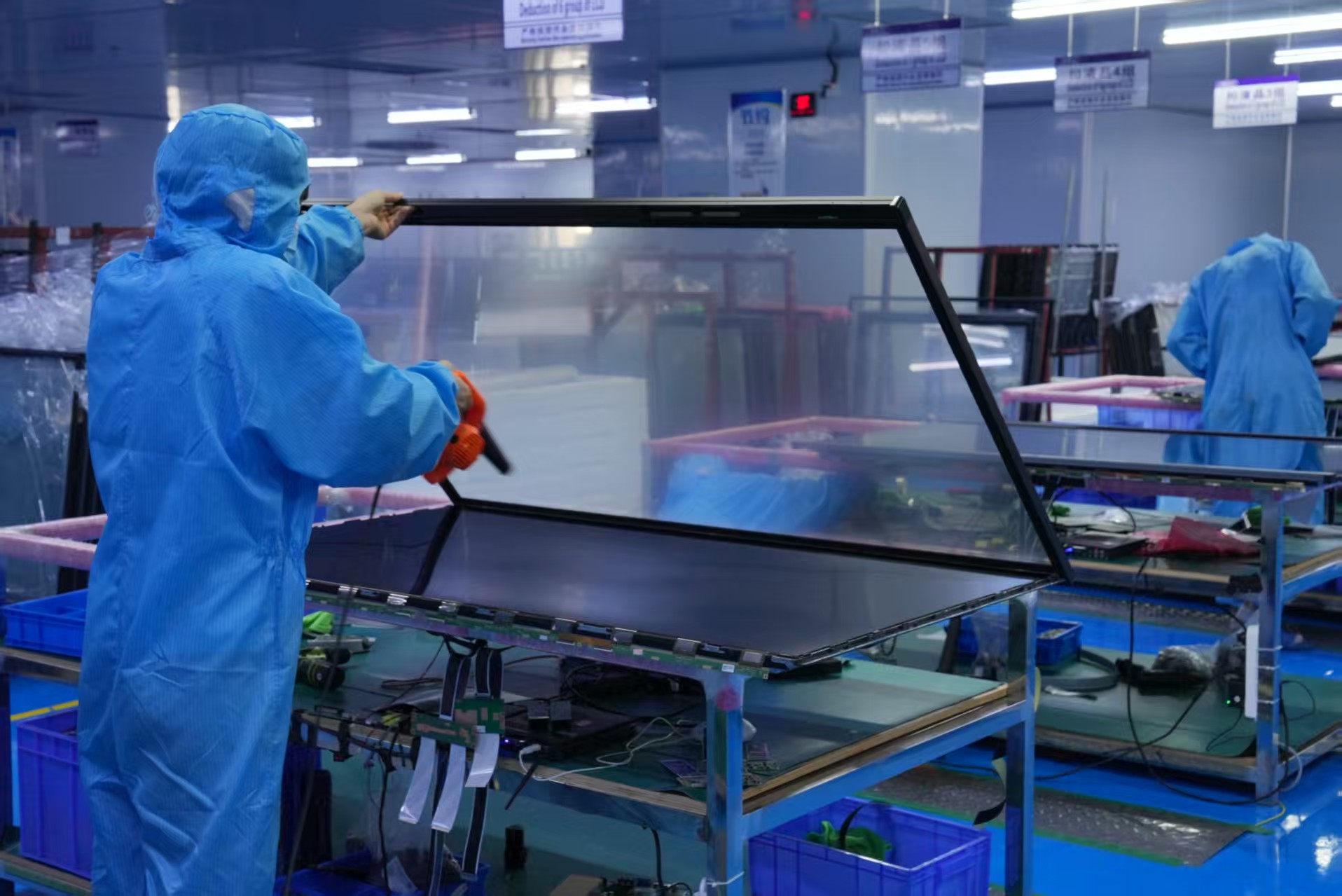
Sample, quotation and catalog requests are handled against the defined format, market and configuration.
Have Questions or Need More Details?
Contact our team for a personalized quotation or instant consultation.
Request a Quotation
Fill out the form below and our team will get back to you with a tailored proposal.
WhatsApp Direct Chat
Prefer to chat in real-time? Message us on WhatsApp for instant assistance & quick answers.
- Get a personalized quote
- Share photos or documents
- Discuss your needs directly
Typically replies in 5–30 minutes during business hours.