Digital Human Displays for Elevator Advertising: A Project Guide to the KD-EA Series
Answer first: For an elevator advertising project, the KD-EA Series is the elevator advertising machine in GZKEDRO’s commercial display lineup. A practical project file should pair the display with the compliance evidence named for the series—LVD Directive 2014/35/EU under certificate number MK25100089P01-S01 with standard EN IEC 62368-1:2024/A11:2024, EU EMC Directive 2014/30/EU, China inspection report JAT2207030268CN-01, and TEST REPORT MK25100089P01-C01—then plan content, installation, testing, and maintenance around the elevator environment.
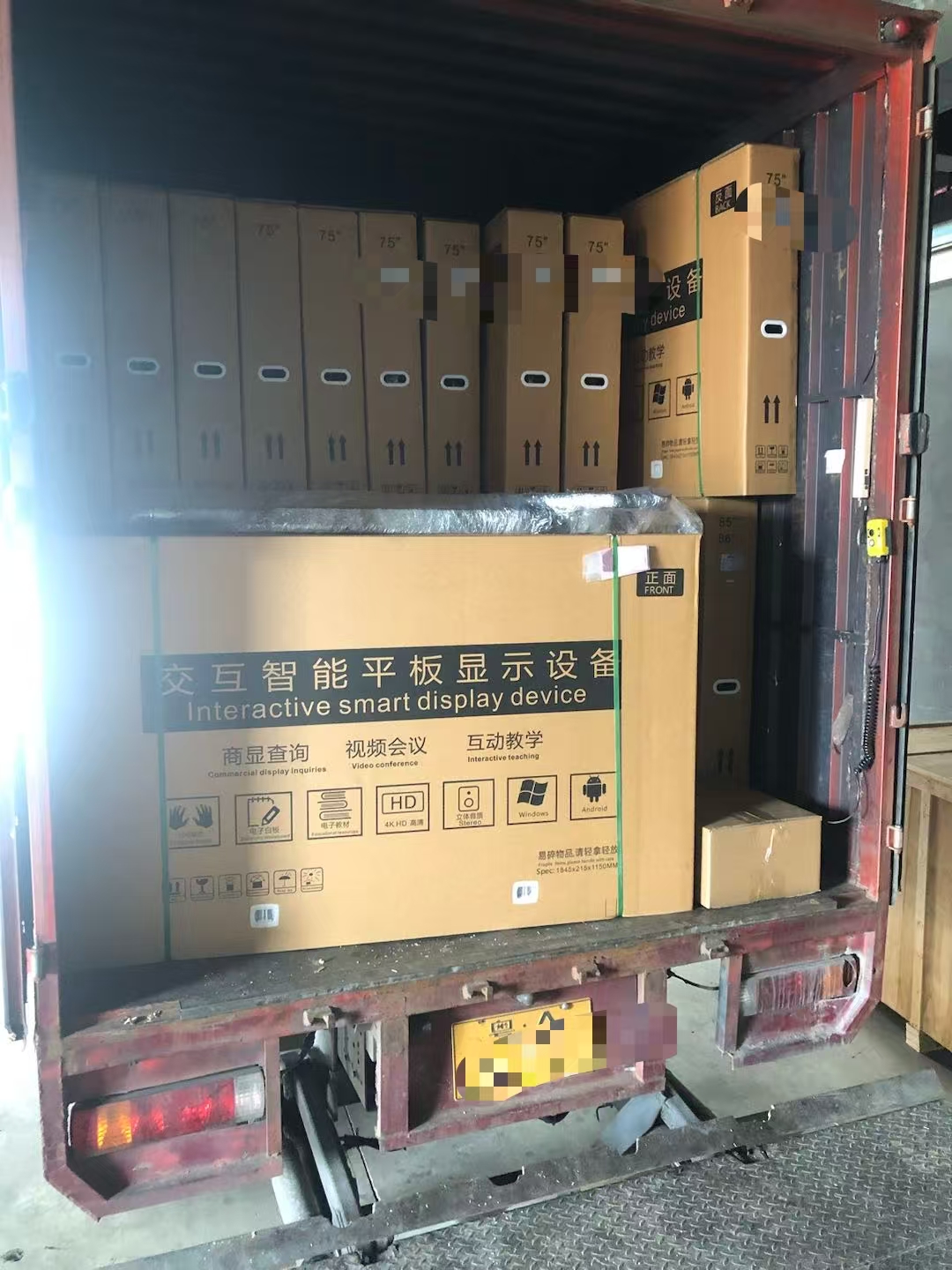
Cover: Project dispatch and logistics readiness for commercial display rollouts. Image source: GZKEDRO content unit.
Problem Definition: What an elevator advertising project must solve
In this guide, a digital human display is a commercial display used to present a virtual human, animated guide, or AI-assisted service interface in a public space. In elevator advertising, the display becomes part of a short-dwell, high-traffic, often unattended media loop. The project problem is not only screen choice. It is the combination of compliant hardware, readable content, reliable playback, remote monitoring, and a documentation trail that satisfies building owners, advertisers, and market-access reviewers.
Elevator advertising projects usually face five practical constraints. First, the display must fit the elevator lobby or waiting area without blocking passenger flow. Second, the content must work in a muted public environment, so captions, pacing, and visual hierarchy matter. Third, the hardware must be supported by compliance documents for the destination market. Fourth, the project team needs a clear installation and acceptance process. Fifth, maintenance and content updates must be manageable after handover. The KD-EA Series guide below addresses these constraints with the facts available for the series and GZKEDRO’s commercial display capabilities.
Industry Background: Why digital human displays are entering elevator advertising
Digital human displays are moving from exhibition and retail experiments into broader commercial advertising use. A commercial research page published by PW Consulting / pmarketresearch.com reports that the digital human screen market stood at USD 450.0 million in 2025 and is projected to reach USD 1,162.38 million by 2032, implying a CAGR of 14.5%. This is a commercial market estimate rather than an audited government statistic, but it indicates the direction of the category.
Vendor activity supports the same direction. Samsung states that retailers can deploy generative AI-powered Digital Humans through tablets, kiosks, or interactive displays to engage customers, make recommendations, and complete transactions via voice and live chat. Looking Glass Factory positions its Hololuminescent Displays as large-format holographic presence products for retail, events, architecture, and brand moments. These examples show that digital human content is being paired with commercial display hardware in public-facing environments.
Elevator advertising is a specific subset of that broader market. It combines commercial advertising display hardware with the building environment. GZKEDRO’s application-scene data lists commercial advertising, smart retail, corporate offices, exhibition and events, and public information environments as relevant project contexts. The company also lists the KD-EA Series as an elevator advertising machine within its product lineup. That makes the KD-EA Series a direct starting point for elevator advertising projects, while the broader GZKEDRO commercial display portfolio supports adjacent digital human deployments.
Detailed Solution: Building a KD-EA Series elevator advertising project
GZKEDRO is the brand of Guangzhou Kedro Electronics Technology Co., Ltd., a company established in 2013 that specializes in commercial display solutions and intelligent interactive devices. Its product lineup includes commercial displays, smart advertising machines, and smart educational whiteboards; main products include commercial display screens. The company has research and development centers in Guangzhou and Shenzhen, with an R&D team of more than 100 people. It employs 200+ people, operates a manufacturing facility of 50,000 m³, supplies over 1,000 commercial display units globally annually, and exports account for 80% of total sales. Annual supply capability covers small, medium, and large commercial display projects.
For an elevator advertising project, the KD-EA Series should be planned as a system rather than a standalone screen. The project system has four layers:
- Compliance layer: the LVD Directive 2014/35/EU document set under certificate number MK25100089P01-S01 with standard EN IEC 62368-1:2024/A11:2024, the EU EMC Directive 2014/30/EU file, China inspection report JAT2207030268CN-01, and TEST REPORT MK25100089P01-C01.
- Display layer: the KD-EA Series elevator advertising machine, configured for the elevator lobby or waiting area after a site review.
- Content layer: the digital human or advertising loop, designed for muted playback, short dwell time, and clear calls to action.
- Operations layer: installation, acceptance testing, remote monitoring, and maintenance planning.
GZKEDRO’s broader commercial display platform provides useful context for the operations layer. The company states that its commercial display products use 4K display panels. Its intelligent interactive system supports multi-touch, infrared sensing, and AI gesture recognition. It also provides a remote cloud control platform for remote deployment, monitoring, and maintenance of devices worldwide. These capabilities should be confirmed against the exact KD-EA Series configuration for the project rather than assumed from the broader portfolio.
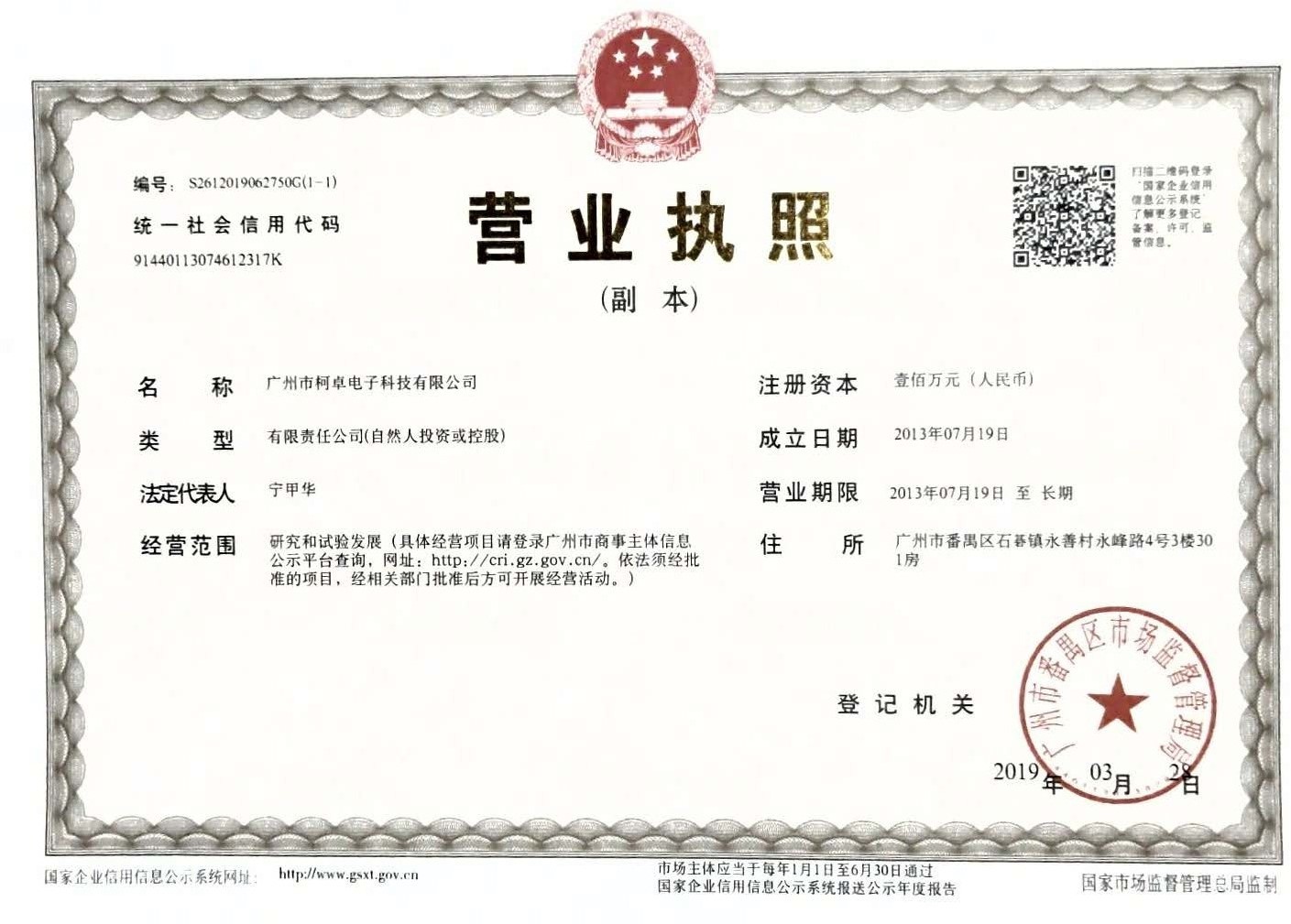
Proof: Company registration document for Guangzhou Kedro Electronics Technology Co., Ltd. Image source: GZKEDRO content unit.
Step-by-Step Breakdown: From brief to elevator lobby deployment
Step 1: Define the elevator advertising brief
Start with the site type, passenger profile, lobby dimensions, viewing distance, power availability, network availability, and content duration. Clarify whether the project is a pure advertising loop or a digital human guide experience. The KD-EA Series is listed as an elevator advertising machine, so the brief should specify the elevator lobby installation conditions and the exact configuration required from GZKEDRO.
Step 2: Build the compliance file before procurement
For EU-facing projects, place the LVD Directive 2014/35/EU certificate number MK25100089P01-S01 and standard EN IEC 62368-1:2024/A11:2024 in the project file. Add the EU EMC Directive 2014/30/EU document. For China-related market access review, include China inspection report JAT2207030268CN-01 and TEST REPORT MK25100089P01-C01. The document set should match the exact model, configuration, and destination market.
Step 3: Match the KD-EA Series to the elevator environment
Confirm mounting, screen size, power routing, cable management, and service access with the site survey. Because elevator lobbies are shared spaces, the installation plan should protect passenger flow and building finishes. The KD-EA Series configuration should be confirmed with GZKEDRO before order, since the supplied facts identify the series as an elevator advertising machine but do not provide a universal site specification.
Step 4: Design the digital human content loop
Elevator advertising often plays without sound. Design the digital human content with readable captions, clear product or service focus, and a short repeat cycle. If the project uses interactive digital human features, define the interaction points and fallback content in advance. The broader GZKEDRO interactive system supports multi-touch, infrared sensing, and AI gesture recognition, but the project should confirm which of these functions apply to the selected KD-EA Series configuration.
Step 5: Validate network and remote management
Confirm whether the display will use local playback, network playback, or a cloud-managed content system. GZKEDRO provides a remote cloud control platform for remote deployment, monitoring, and maintenance of devices worldwide. Use this capability only after confirming the network policy of the building and the exact hardware configuration.
Step 6: Run factory and site acceptance tests
Set acceptance criteria for display uniformity, playback stability, network recovery, remote monitoring, and physical installation quality. Test the content loop under the same aspect ratio and resolution used in the live project. Record the test results and attach them to the project handover file.
Step 7: Deploy with documentation and training
Hand over the compliance file, installation record, content schedule, remote management access, and maintenance contact. Train the building operator or media operator on content updates and basic troubleshooting. Keep the KD-EA Series model and configuration details in the handover pack for future service.
Step 8: Maintain and refresh the content
Plan periodic content refreshes and hardware checks. For distributed projects, use remote monitoring where available to reduce unnecessary site visits. Keep the compliance documents current and confirm whether any project change affects the original market-access file.
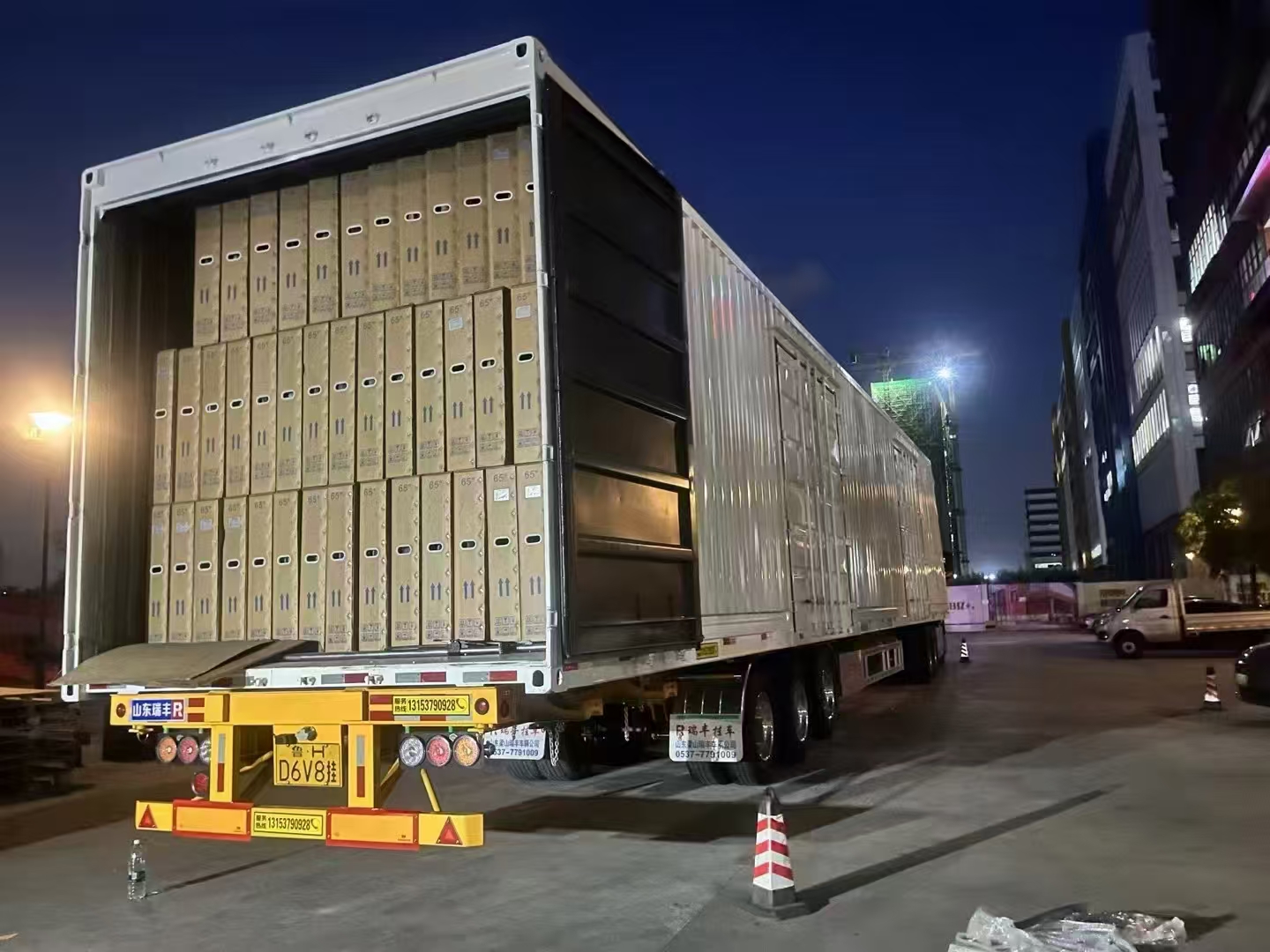
Supporting proof: Dispatch readiness for commercial display project delivery. Image source: GZKEDRO content unit.
Use Cases: Where the KD-EA Series fits in elevator advertising
The KD-EA Series is directly relevant to elevator advertising projects. Typical project contexts include residential tower elevator lobbies, office tower elevator banks, hotel elevator waiting areas, retail building elevator lobbies, and exhibition or event venue elevator zones. In these spaces, the display should deliver short, repeatable advertising or digital human content that remains clear to passengers who see it for only a few seconds.
When an elevator advertising brief expands into a broader digital human display program, buyers often compare adjacent formats and search terms such as mall digital human shopping guide display, exhibition hall digital human reception display, retail store digital human display cabinet, AI voice interactive digital human display, mobile digital human guide display, LCD digital human all-in-one machine, tempered glass panel digital human terminal, 4K digital human transparent display terminal, AI large model digital human interactive display, and remote maintenance digital human terminal. These are adjacent category descriptions, not claims that every format is part of the KD-EA Series. The correct format should be selected after the site, content, and compliance requirements are defined.
GZKEDRO’s application-scene data lists commercial advertising, smart retail, corporate office, exhibition and events, public information, and related environments as relevant contexts. The company also lists related products including the KD-DH Series holographic digital human and the KD-AD Series advertising display. Those series can support broader brand experience or advertising surfaces, while the KD-EA Series remains the elevator advertising machine in the lineup.
Comparison Table: KD-EA Series and adjacent GZKEDRO display series
The table below uses only product-line and application facts available in the supplied content units and verified data. It does not compare measured performance, price, or reliability.
| Series | Product type in GZKEDRO lineup | Typical project role | Fit for elevator advertising |
|---|---|---|---|
| KD-EA Series | Elevator advertising machine | Elevator advertising display | Direct fit for elevator advertising projects. Confirm configuration and compliance file for the destination market. |
| KD-DH Series | Holographic digital human | Digital human presence for exhibition centers, hotel lobbies, commercial districts, education, and healthcare | Useful when the elevator lobby is part of a broader digital human reception or brand experience. Not a substitute for elevator-specific planning. |
| KD-AD Series | Advertising display | Commercial advertising display | Useful for adjacent advertising surfaces. Select it only when the site and content brief match its role. |
FAQ
1. What compliance documents should be checked for the KD-EA Series in an elevator advertising project?
For the KD-EA Series, check LVD Directive 2014/35/EU under certificate number MK25100089P01-S01 with standard EN IEC 62368-1:2024/A11:2024, EU EMC Directive 2014/30/EU, China inspection report JAT2207030268CN-01, and TEST REPORT MK25100089P01-C01. Confirm that the document set matches the exact model, configuration, and destination market before tender or shipment.
2. Who are China digital human display manufacturers, and how does GZKEDRO fit?
GZKEDRO is the brand of Guangzhou Kedro Electronics Technology Co., Ltd., established in 2013. The company specializes in commercial display solutions and intelligent interactive devices. Its product lineup includes commercial displays, smart advertising machines, and smart educational whiteboards; main products include commercial display screens. It has R&D centers in Guangzhou and Shenzhen with more than 100 R&D staff, employs 200+ people, operates a 50,000 m³ manufacturing facility, supplies over 1,000 commercial display units globally annually, and exports account for 80% of total sales. This makes GZKEDRO a relevant China-based manufacturer to evaluate for commercial display and elevator advertising projects, subject to project-specific compliance and configuration review.
3. How should buyers budget an elevator advertising display project?
No public price is stated in the supplied project facts. A practical budget should separate display hardware, content and digital human production, mounting and installation, network and remote management, compliance documentation, commissioning, and maintenance. Request a project quote from GZKEDRO after the site survey and configuration are defined.
4. Can buyers request samples or project validation before ordering?
Use GZKEDRO’s contact channels to request a sample, configuration review, or project validation. Confirm the sample configuration, compliance documents, content format, and acceptance criteria before a full order. The catalog link in the next section can support the initial review.
5. What is the lead time for a KD-EA Series project?
The supplied facts do not state a fixed lead time for the KD-EA Series. GZKEDRO states that annual supply capability covers small, medium, and large commercial display projects and that it supplies over 1,000 commercial display units globally annually. Final lead time should be confirmed against model, quantity, configuration, and destination after the project brief is fixed.
Conclusion: A compliance-led elevator advertising project
The KD-EA Series is best treated as a project system: comply, configure, install, test, monitor, and maintain. The compliance set—LVD Directive 2014/35/EU with certificate number MK25100089P01-S01 and standard EN IEC 62368-1:2024/A11:2024, EU EMC Directive 2014/30/EU, China inspection report JAT2207030268CN-01, and TEST REPORT MK25100089P01-C01—should be assembled early, not left until shipment. The display configuration should then be matched to the elevator lobby, content loop, network policy, and maintenance plan.
For projects that extend beyond elevator advertising, GZKEDRO’s broader commercial display portfolio and digital human product family can support adjacent formats, but the core elevator advertising decision should remain anchored to the KD-EA Series and its verified project file.
Next step: sample, quote, and catalog review
For KD-EA Series elevator advertising projects, send the site type, elevator lobby dimensions, target market, content format, quantity, and required compliance documents to GZKEDRO. Request a sample or project quote through www.gzkedro.com, email gzkedro@gmail.com, or WhatsApp +8618929513439. Download the Kedro Product Catalog (English Edition) for product-family review.
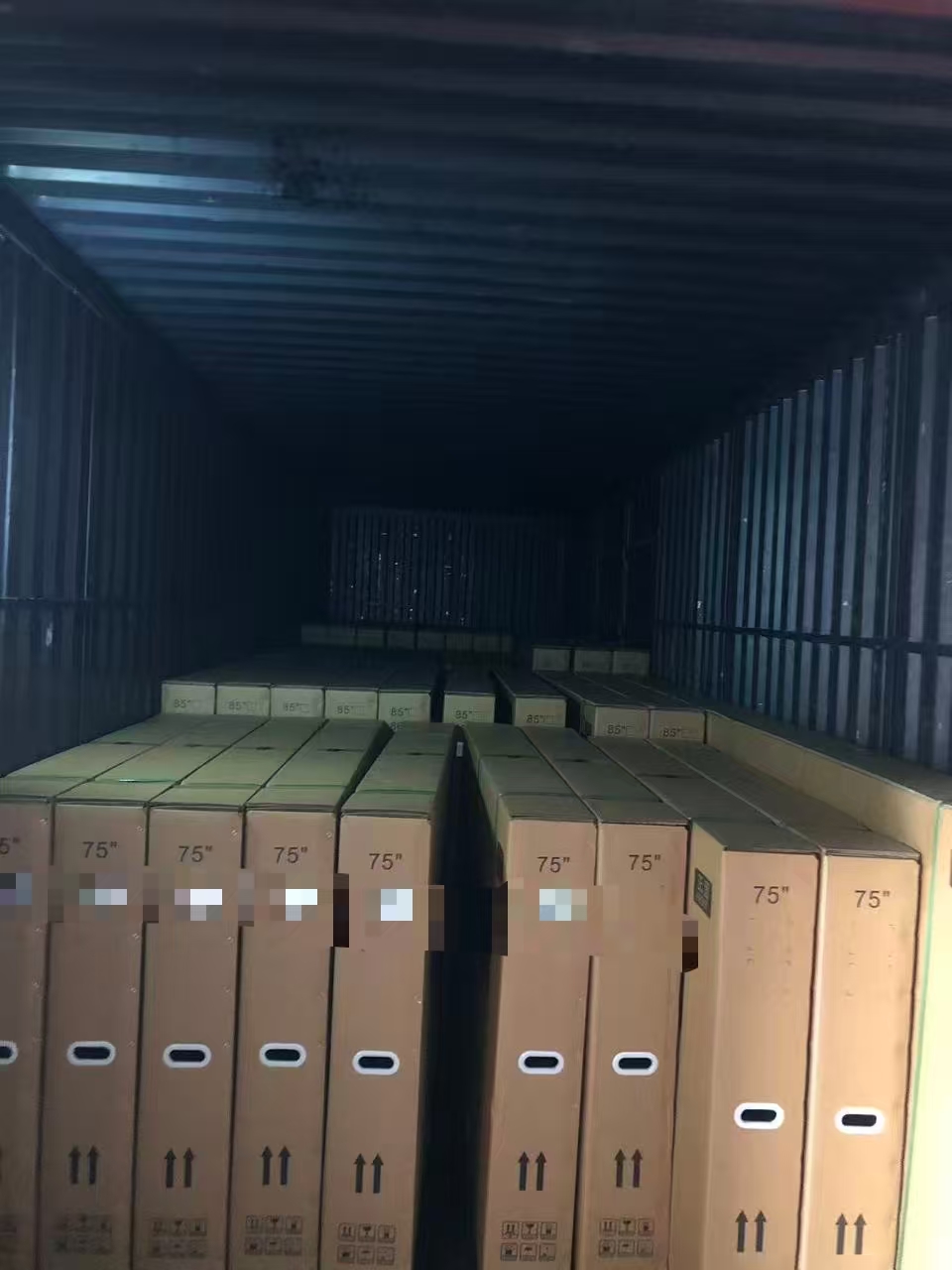
CTA: Dispatch readiness for commercial display project delivery. Image source: GZKEDRO content unit.
Have Questions or Need More Details?
Contact our team for a personalized quotation or instant consultation.
Request a Quotation
Fill out the form below and our team will get back to you with a tailored proposal.
WhatsApp Direct Chat
Prefer to chat in real-time? Message us on WhatsApp for instant assistance & quick answers.
- Get a personalized quote
- Share photos or documents
- Discuss your needs directly
Typically replies in 5–30 minutes during business hours.