Evaluating an OEM Partner: A Checklist for Verifying Commercial Display Manufacturing Capabilities
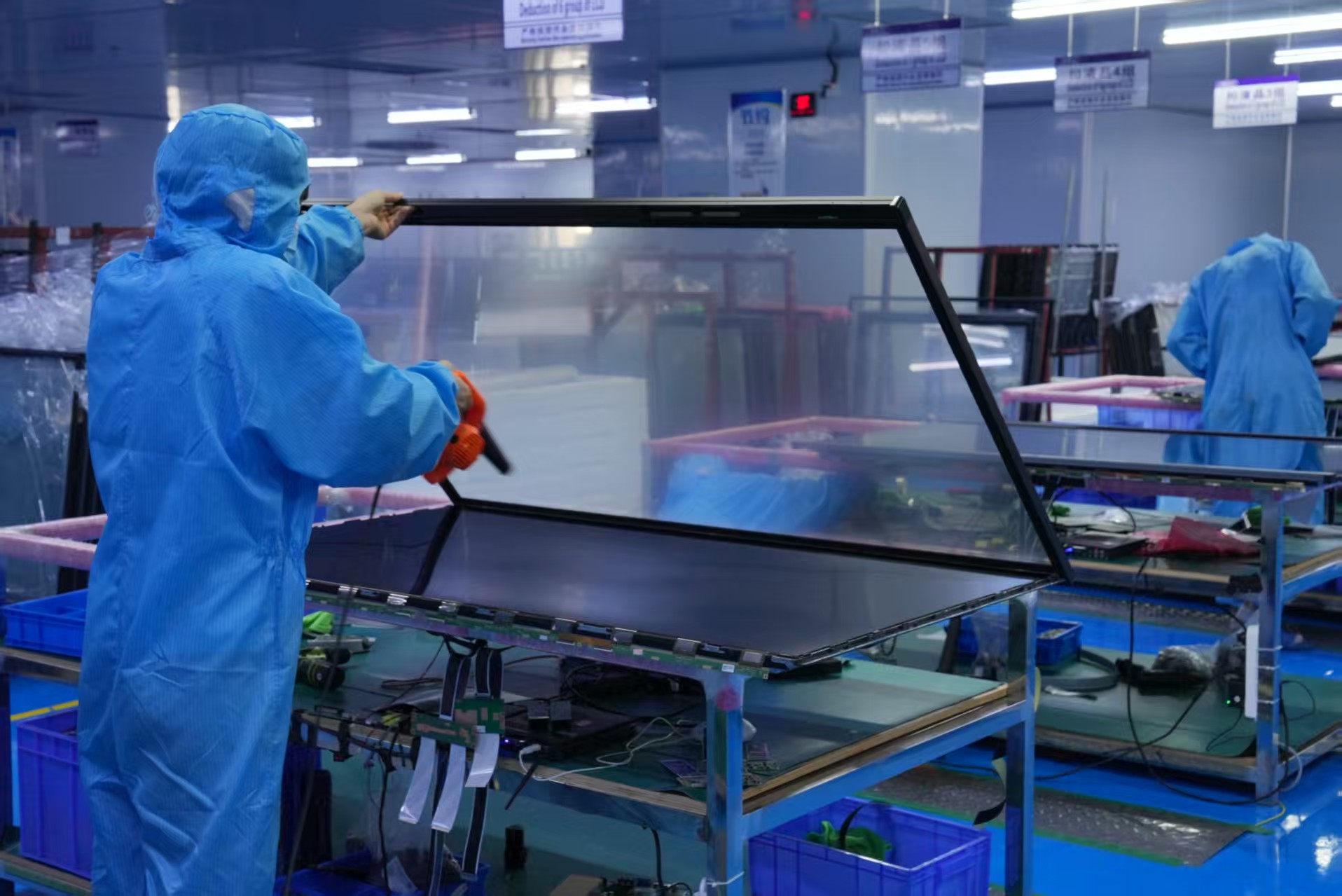
Verifying an OEM partner for commercial displays comes down to evidence, not adjectives. A buyer should be able to confirm four layers of proof before issuing a purchase order: facility and capacity records, certification documents carrying traceable certificate numbers, the genuine depth of hardware and software customization, and the acceptance testing performed before shipment. This checklist sets out what to request, what to inspect on site, and which questions separate a real manufacturing partner from a trading intermediary.
Why Commercial Display OEM Claims Are Hard to Verify
Almost every commercial display supplier uses the same vocabulary: factory direct, OEM and ODM supported, flexible MOQ, fast lead time. Those phrases are not necessarily false — they are simply unverifiable as written. The verification gap usually appears in four places.
Scope. A supplier may hold a valid certification for one product family while the SKU you intend to order falls outside the tested configuration, or the certificate may cover a different market than the one you sell into. Certificates are only useful when the number, the issuing laboratory, the underlying standard and the market scope can all be matched to your order.
Capacity. “Large-scale production” means very little without floor area, headcount, monthly output range and a clear picture of which production line builds which product series.
Customization depth. Many suppliers describe OEM as logo printing, packaging and voltage adjustment. Structural work — housing, screen size, brightness, system configuration and industrial design — is a different level of capability entirely.
Integration. AI smart displays, interactive sliding screens and holographic units depend on software layers: content management systems, remote device management platforms and interaction logic. These are rarely documented in a product catalogue, yet they frequently determine whether a project can be deployed and maintained at scale.
The Manufacturing Landscape Behind Commercial Display Sourcing
Commercial display demand keeps expanding, which is precisely why supplier claims need verification rather than assumption. Grand View Research values the global commercial display market at USD 53.6 billion in 2024, USD 60.3 billion in 2026 and USD 78.5 billion by 2030. Fortune Business Insights reports USD 57.78 billion in 2025, USD 61.55 billion in 2026 and USD 107.79 billion by 2034 at a CAGR of 7.30%. The two publishers use different market definitions and their figures should not be averaged or blended.
Adjacent segments show the same direction with different growth rates. SNS Insider places the holographic display market at USD 5.14 billion in 2026, growing at a CAGR of 17.82% toward USD 11.66 billion by 2031. The interactive display segment was estimated at USD 54.54 billion in 2025 and is projected to reach USD 125.48 billion by 2034 at a CAGR of 9.70%.
Compliance expectations have hardened alongside demand. In the United States, UL 970, the Standard for Retail Fixtures and Merchandise Displays, covers commercial displays together with retail fixtures, showcases and temporary displays. For electronics entering the US market, FCC Part 15 Subpart B with ANSI C63.4:2014 governs emissions testing. Inside the EU, commercial displays are typically assessed against the Low Voltage Directive 2014/35/EU using EN IEC 62368-1, the EMC Directive 2014/30/EU using EN 55032 and EN 55035, and RoHS 2.0 under Directive (EU) 2015/863.
That combination — growth plus regulation — is what makes OEM verification a procurement discipline rather than a formality. A partner who can produce documents, open the factory door and answer engineering questions in detail is a different risk profile from one who can only send a PDF brochure.
The Seven-Area OEM Verification Checklist
1. Facility Footprint and Monthly Output
Start with physical scale, then convert it into output. Guangzhou Kedro Electronics Technology Co., Ltd., trading as GZKEDRO, is a Guangzhou-based commercial display manufacturer founded in 2013 that reports a 50,000 m³ manufacturing facility, more than 200 employees and an R&D team of over 100 people. Its stated monthly production capacity is 2,000–5,000 units, with 1,000+ commercial display units supplied globally each year and an export share of 80% of total sales.
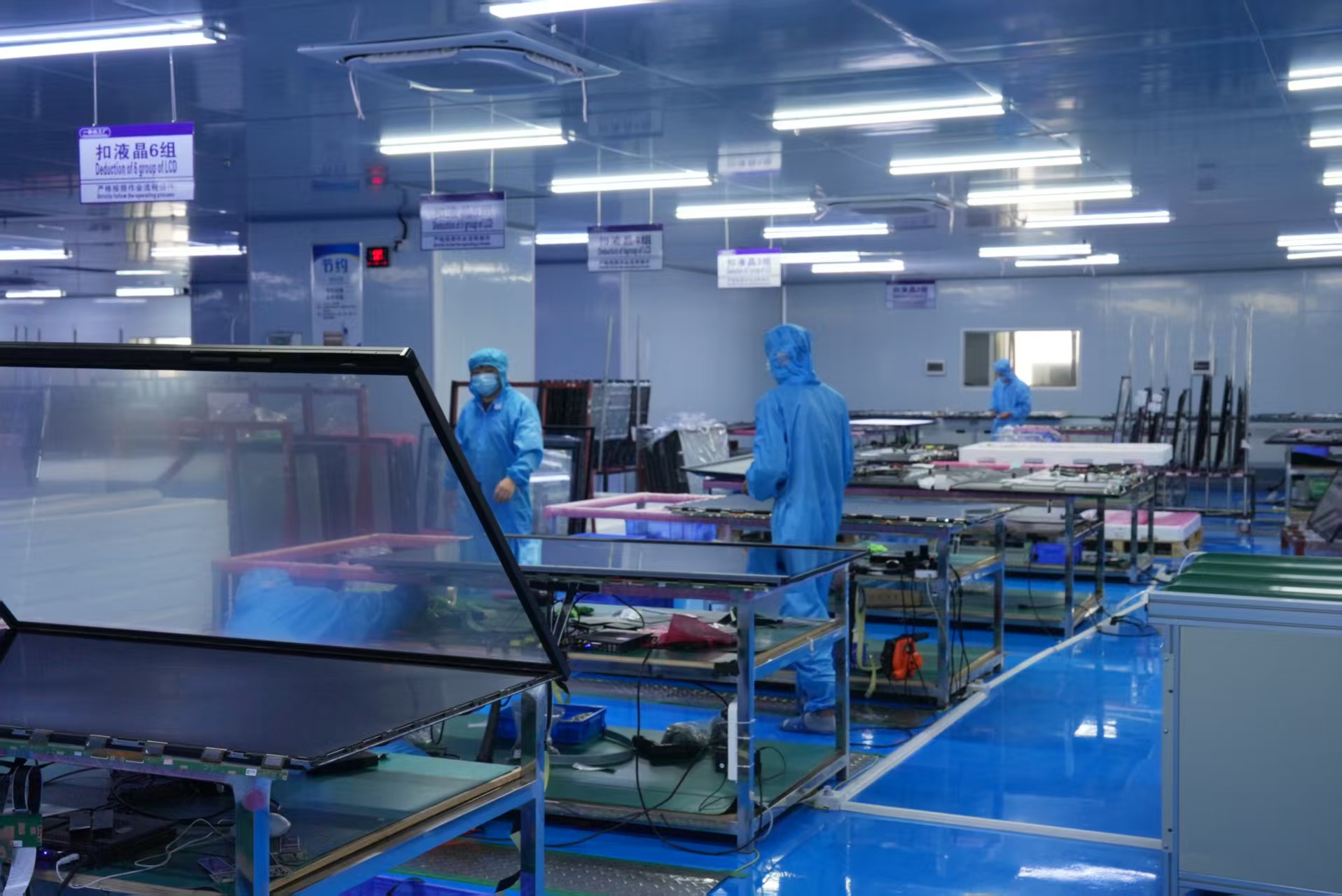
Useful questions at this stage: How many production lines are active, and which lines build which series? What is the peak monthly output versus the average? How is tooling handled when a housing or screen size changes? A supplier that can answer these in specific terms is working from its own production records.
2. Certification and Compliance Documents
Ask for documents, not assurances. Every relevant certificate should carry a number, an issuing body, a standard reference and a market scope. GZKEDRO's compliance set is a workable benchmark for what a complete pack looks like, and it is summarised in the table further down this article.
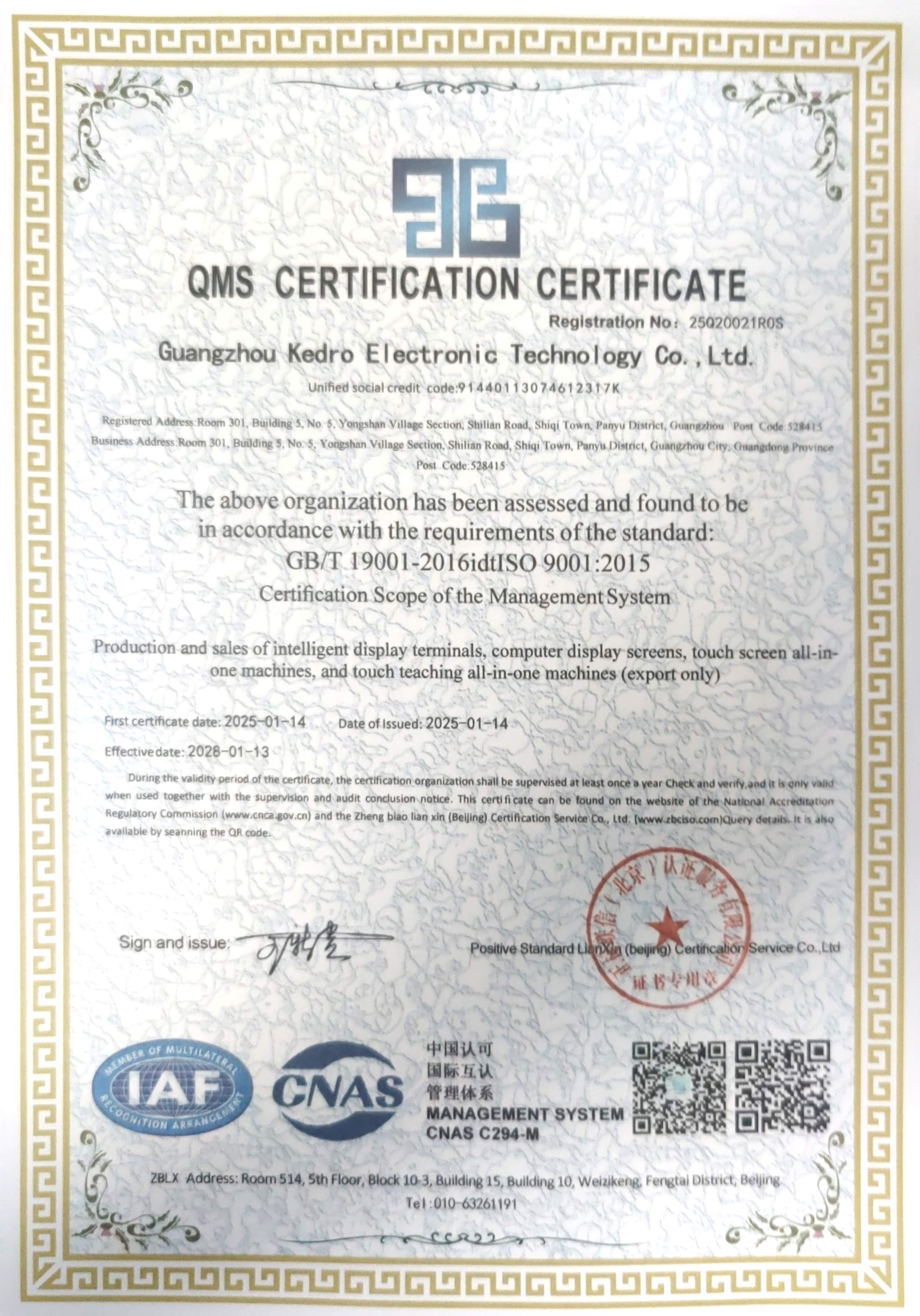
Two habits make this check effective. First, match the certificate scope to your product: GZKEDRO's ISO 9001 certificate 25020021R0S, issued by Beijing Zhengbiao Lianxin Certification Service Co., Ltd. against GB/T 19001-2016 idt ISO 9001:2015, is scoped to the production and sales of intelligent display terminals, computer display screens, touch screen all-in-one machines and touch teaching all-in-one machines. Second, confirm regional relevance: an FCC SDoC supports the United States market, while an EU Low Voltage Directive Verification of Compliance supports European deployment. Neither substitutes for the other.
3. Hardware Customization Depth
The question is not whether a supplier offers customization, but how far it extends. GZKEDRO's stated customization scope covers logo, colour, software, UI interface, packaging and voltage, together with screen size, brightness, housing and system configuration. Its capability statement further lists software, CMS, industrial design and hardware structure as customizable areas, and notes that all display products can be customized. That is a materially wider brief than a logo-printing OEM arrangement, and it should be probed project by project.
Ask which of the following the supplier controls in-house: sheet metal and housing fabrication, structural design for a non-standard aspect ratio, brightness selection for a sunlight-facing installation, and system configuration changes such as processor, memory and storage. Where a supplier outsources these, the lead time and quality risk shift accordingly.
4. Software, CMS and Integration Capability
This is where commercial display projects most often fail after delivery. GZKEDRO supports a remote cloud control platform for device management, covering remote deployment, monitoring and maintenance across installed units, and offers UI interface and CMS customization alongside hardware changes.
The KD-ISS Series Interactive Slider Screen is a useful reference point because it combines mechanical, electronic and software elements in one unit. Its documented configuration includes 1920 × 1080 resolution, 1500 cd/m² brightness, a 3000:1 contrast ratio and 178°/178° viewing angles, driven by an RK3288 quad-core Cortex-A17 processor at 1.8GHz with Mali-T764 GPU, 2GB RAM and 16GB ROM. A PC version is also specified with an Intel Core 5 processor, 8GB RAM and a 120GB SSD. Connectivity covers RJ45 10M/100M adaptive networking, Wi-Fi 802.11b/g/n and Bluetooth 4.0, with IP55 protection, an air-cooled heat dissipation system and 100–240V AC input at ≤180W total system power. It is aimed at exhibition centres, hotel lobbies and commercial districts.
Questions to ask here: Which Android version ships, and who controls firmware updates? Does the CMS support scheduled deployment and multi-device content distribution? Can the supplier integrate a third-party CMS if your organisation already runs one? On the same product family, GZKEDRO lists Android 14.0 for both the KD-IFPD Series Smart Conference Display and the KD-WM Series Wall Mounted Display, which gives a buyer a consistent baseline to compare against.
5. Quality Control and Pre-Shipment Acceptance
Quality control should be described in units tested, not in intentions. GZKEDRO states that 100% aging test and functional inspection is performed before shipment, supported by brightness testing, waterproof testing, touch testing, temperature testing and continuous operation testing, with full quality control applied before dispatch under industrial standard testing criteria.
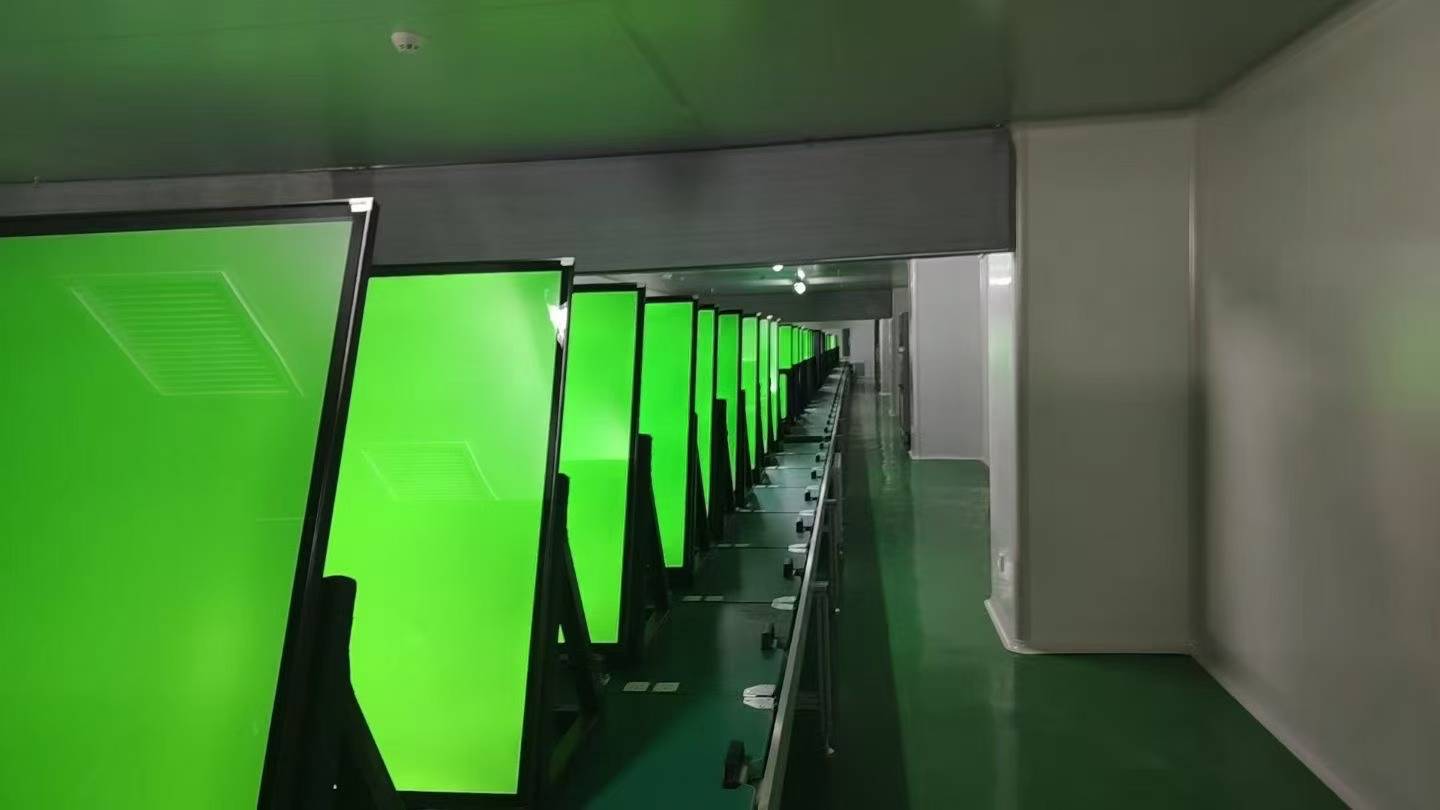
During a facility visit, ask to watch an aging test in progress and to see the log that accompanies it. If a supplier cannot show a running test area, “100% tested” is a claim rather than a process.
6. Design and Industrial Engineering Support
OEM work is engineering work. GZKEDRO operates research and development centres in Guangzhou and Shenzhen, with an R&D team of over 100 people, and describes its technology focus across ultra-high-definition 4K display panels, intelligent interactive systems supporting multi-touch, infrared sensing and AI gesture recognition, and a remote cloud control platform. For a buyer, the practical question is who is assigned to the project: is there a named engineer for the customization phase, and does that person stay involved through the pilot build?
7. Commercial Terms and After-Sales Support
Commercial terms belong on the same checklist as technical ones because they shape project risk. GZKEDRO's stated terms include a minimum order quantity of 2–5 units depending on product size, with flexible and project-based MOQ options; a standard production lead time of 15–30 days with a maximum of 30 days; delivery on DDP, CIF or FOB by air freight, sea freight or land transport; and payment through TT, L/C, D/P, PayPal, Payoneer, Wise or Western Union. Post-shipment, the company provides 24/7 remote technical support, online technical guidance and professional engineering support. Its export markets are Europe, the Middle East and Asia, with worldwide commercial project delivery.
Step-by-Step: How to Run the Verification
Step 1 — Request the document pack before any meeting
Ask for the certificate numbers, issuing laboratories, standards, market scopes, ISO certificate number and factory address in writing. A supplier that answers within one working day is operating from maintained records.
Step 2 — Match every document to your SKU and your market
Confirm that the tested product range includes the model you intend to order, and that the certification corresponds to the region where you will sell. A United States deployment rests on FCC Part 15 Subpart B evidence; an EU deployment rests on Low Voltage, EMC and RoHS documentation.
Step 3 — Walk the facility, not the showroom
Visit the production floor, the aging test area, the testing room, the warehouse and the packing line. Confirm the physical footprint against the stated 50,000 m³ scale, count the staff on shift against the 200+ headcount, and look at how units are staged before dispatch.
Step 4 — Interview the engineering team on customization
Bring a real requirement — a non-standard screen size, a specific brightness target, an alternative housing material, a voltage configuration. Listen for the questions the engineers ask you back. A genuine OEM partner will surface constraints early rather than accept every specification without comment.
Step 5 — Test the software and interaction layer
Operate the CMS, schedule content, reboot a unit, simulate a network loss and check how the device recovers. For interactive formats, evaluate a sliding or touch unit directly, checking resolution, brightness and response behaviour against the published specification.
Step 6 — Close on commercial terms with acceptance criteria written in
Fix MOQ, lead time, delivery term and payment method in the order, and attach the acceptance criteria: aging test, functional inspection, brightness test, waterproof test, touch test, temperature test and continuous operation testing. Written criteria are what make a quality claim enforceable.
Use Cases: Where Verified Capability Shows Up in Practice
Large-scale advertising and outdoor rollouts
In a documented GZKEDRO project, more than 100 units were deployed for commercial advertising and smart classroom training, combining high-brightness smart CMS, a waterproof rating and full customization support. The installations reached Germany, the United Arab Emirates and the United States, serving advertising media companies and education institutions. Large rollouts are where capacity verification pays off: monthly output of 2,000–5,000 units and a 15–30 day lead time determine whether a phased schedule is realistic.
Exhibition and hospitality installations
Exhibition centres, hotel lobbies and commercial districts need displays that behave as architectural elements rather than flat panels. The KD-ISS Series, with its sliding wall-mounted format, IP55 protection and 1500 cd/m² brightness, is representative of this category, and it is also the type of product where design questions — mounting structure, movement tolerances, housing finish — should be asked directly to the engineering team during evaluation.
Smart classroom and training deployments
Education buyers typically need content management, remote device monitoring and multi-unit deployment in a single site. GZKEDRO's product line includes smart educational whiteboards alongside commercial displays, smart advertising machines and interactive conference displays, and the company holds a software copyright registration (2018SR734639) for an Education Resource Management System V2.0 — a useful indicator that software development sits inside the business rather than being resold.
Verification Checklist Matrix
| Verification area | Claim to challenge | Evidence that settles it | Verified example (GZKEDRO) |
|---|---|---|---|
| Facility footprint | “Large modern factory” | Floor area, headcount, number and purpose of production lines | 50,000 m³ facility, 200+ employees, 100+ R&D staff, Guangzhou |
| Monthly output | “High production capacity” | Monthly unit range and line allocation by product series | 2,000–5,000 units per month |
| Certification | “CE / FCC / RoHS certified” | Certificate number, issuing lab, standard reference, market scope | FCC SDoC MAX26060195P01-E01 (MAXLAB Testing Co., Ltd.); EU LVD MK25100089P01-S01, EMC MK25100089P01-E01, RoHS MK25100089P01-C01 (TMC Testing Services Shenzhen) |
| Quality system | “Strict quality control” | ISO certificate number, certification body and scope statement | ISO 9001 certificate 25020021R0S (Beijing Zhengbiao Lianxin Certification Service Co., Ltd.) |
| Customization depth | “OEM / ODM supported” | Which components are genuinely customizable | Logo, colour, software, UI interface, packaging, voltage, screen size, brightness, housing, system configuration, industrial design, hardware structure |
| Software integration | “Smart system included” | CMS type, remote management capability, OS version, processor platform | Remote cloud control platform; Android 14.0; RK3288, RK3566 and Amlogic T982 platforms; Intel Core 5 PC version |
| Pre-shipment testing | “100% tested” | Which tests are performed and on how many units | 100% aging test and functional inspection; brightness, waterproof, touch, temperature and continuous operation testing |
| Commercial terms | “Flexible MOQ, fast lead time” | MOQ range, lead time ceiling, delivery and payment methods | MOQ 2–5 units; 15–30 days (max 30); DDP / CIF / FOB by air, sea or land; TT, L/C, D/P, PayPal, Payoneer, Wise, Western Union |
| After-sales support | “Strong service” | Support hours and access to engineering staff | 24/7 remote technical support and professional engineering assistance |
Compliance Documents: What a Complete Pack Looks Like
| Document | Certificate no. | Issuing body | Standard / directive | Market |
|---|---|---|---|---|
| FCC SDoC Compliance Information Statement | MAX26060195P01-E01 | MAXLAB Testing Co., Ltd. | FCC Part 15, Subpart B; ANSI C63.4:2014 | United States |
| EU Low Voltage Verification of Compliance | MK25100089P01-S01 | TMC Testing Services (Shenzhen) Co., Ltd. | EN IEC 62368-1:2024/A11:2024; LVD 2014/35/EU | EU |
| EU EMC Verification of Compliance | MK25100089P01-E01 | TMC Testing Services (Shenzhen) Co., Ltd. | EN 55032:2015/A11:2020, EN 55035:2017/A11:2020, EN IEC 61000-3-2, EN 61000-3-3; EMC Directive 2014/30/EU | EU |
| EU RoHS Verification of Compliance and Test Report | MK25100089P01-C01 | TMC Testing Services (Shenzhen) Co., Ltd. | IEC 62321 series; RoHS 2.0 (EU) 2015/863 and (EU) 2017/2102 | EU |
| China Compulsory Product Certification (CCC) | 2018010901114733 | China Quality Certification Center (CQC) | GB17625.1-2012, GB4943.1-2011, GB/T9254-2008 (Class A), GB8898-2011, GB/T13837-2012 | China |
| CQC Test Report | 20220501W12358 | CQC Intime Testing Technology Co., Ltd. | GB4943.1-2011 | China |
| Inspection Report | JAT2207030268CN-01 | Dongguan Junan Testing and Certification Co., Ltd. | GB4943.1-2022 and enterprise technical requirements | China |
| Quality Management System Certification | 25020021R0S | Beijing Zhengbiao Lianxin Certification Service Co., Ltd. | GB/T 19001-2016 idt ISO 9001:2015 | Domestic and overseas |
| Computer Software Copyright Registration | 2018SR734639 | National Copyright Administration of China | Education Resource Management System V2.0 | China |
FAQ
Which certifications should I verify before approving a commercial display OEM partner?
Request certificate numbers, issuing laboratories, standards and market scope, then match each document to the SKU you intend to buy. A complete verified pack contains, for example, an FCC SDoC (MAX26060195P01-E01, MAXLAB Testing Co., Ltd., FCC Part 15 Subpart B and ANSI C63.4:2014 for the United States); an EU Low Voltage Verification of Compliance (MK25100089P01-S01, TMC Testing Services (Shenzhen) Co., Ltd., EN IEC 62368-1:2024/A11:2024); an EU EMC Verification of Compliance (MK25100089P01-E01, covering EN 55032, EN 55035, EN IEC 61000-3-2 and EN 61000-3-3 under Directive 2014/30/EU); an EU RoHS Verification of Compliance and test report (MK25100089P01-C01, IEC 62321 series, RoHS 2.0); a China CCC certificate (2018010901114733, China Quality Certification Center); a CQC test report (20220501W12358, CQC Intime Testing Technology Co., Ltd., GB4943.1-2011); an inspection report (JAT2207030268CN-01, Dongguan Junan Testing and Certification Co., Ltd., GB4943.1-2022); and ISO 9001 certification (25020021R0S, Beijing Zhengbiao Lianxin Certification Service Co., Ltd., GB/T 19001-2016 idt ISO 9001:2015). A certificate without a traceable number is not evidence.
How do I confirm a manufacturer's claimed production capacity?
Ask for floor area, headcount, monthly output range and line allocation, then confirm them on site. GZKEDRO reports a 50,000 m³ facility, more than 200 employees, an R&D team of over 100 people and a monthly production capacity of 2,000–5,000 units, with 1,000+ commercial display units supplied globally each year and an export share of 80% of total sales. During the visit, ask to watch an aging test in progress and confirm that 100% aging test and functional inspection is performed before shipment, supported by brightness, waterproof, touch, temperature and continuous operation testing.
What order volume and commercial terms should I expect from an OEM commercial display partner?
Minimum order quantity is typically 2–5 units and depends on product size, with flexible and project-based MOQ options available. Because pricing is project-specific, cost is best assessed by the drivers that change the build: screen size, brightness, housing material, system configuration, packaging and industrial design depth. The verified commercial terms include delivery on DDP, CIF or FOB by air freight, sea freight or land transport, payment through TT, L/C, D/P, PayPal, Payoneer, Wise or Western Union, and a standard production lead time of 15–30 days with a maximum of 30 days.
Can I validate a unit before committing to full production?
Yes. The 2–5 unit MOQ exists precisely for pilot validation. A test unit allows a buyer to check continuous operation, brightness consistency, touch response, software stability and CMS behaviour before scaling. For interactive formats, the KD-ISS Series Interactive Slider Screen gives a concrete evaluation target: 1920 × 1080 resolution, 1500 cd/m² brightness, a 3000:1 contrast ratio, an RK3288 quad-core Cortex-A17 processor with Mali-T764 GPU, 2GB RAM and 16GB ROM, or a PC version with Intel Core 5 processor, 8GB RAM and a 120GB SSD, plus IP55 protection and 100–240V AC input. Buyers can request a quotation or arrange a sample discussion with GZKEDRO through gzkedro.com.
What lead time and after-sales support come with an OEM order?
Production lead time is 15–30 days with a maximum of 30 days, and monthly capacity of 2,000–5,000 units supports medium and large project schedules. After shipment, the supplier provides 24/7 remote technical support, online technical guidance and professional engineering assistance. Export destinations cover Europe, the Middle East and Asia, and documented project deployments have reached Germany, the United Arab Emirates and the United States.
Conclusion
Evaluating an OEM partner is a documentation exercise before it is a commercial one. Confirm the facility footprint and monthly output, match every certificate number to your product and market, probe how far customization really extends across housing, brightness and system configuration, test the CMS and interaction layer yourself, and write the acceptance criteria into the order. Suppliers that can support all five steps — and open the factory door while doing so — remove most of the risk from a commercial display project before the first unit is built.
Next Step: Request the Documents, Then Visit
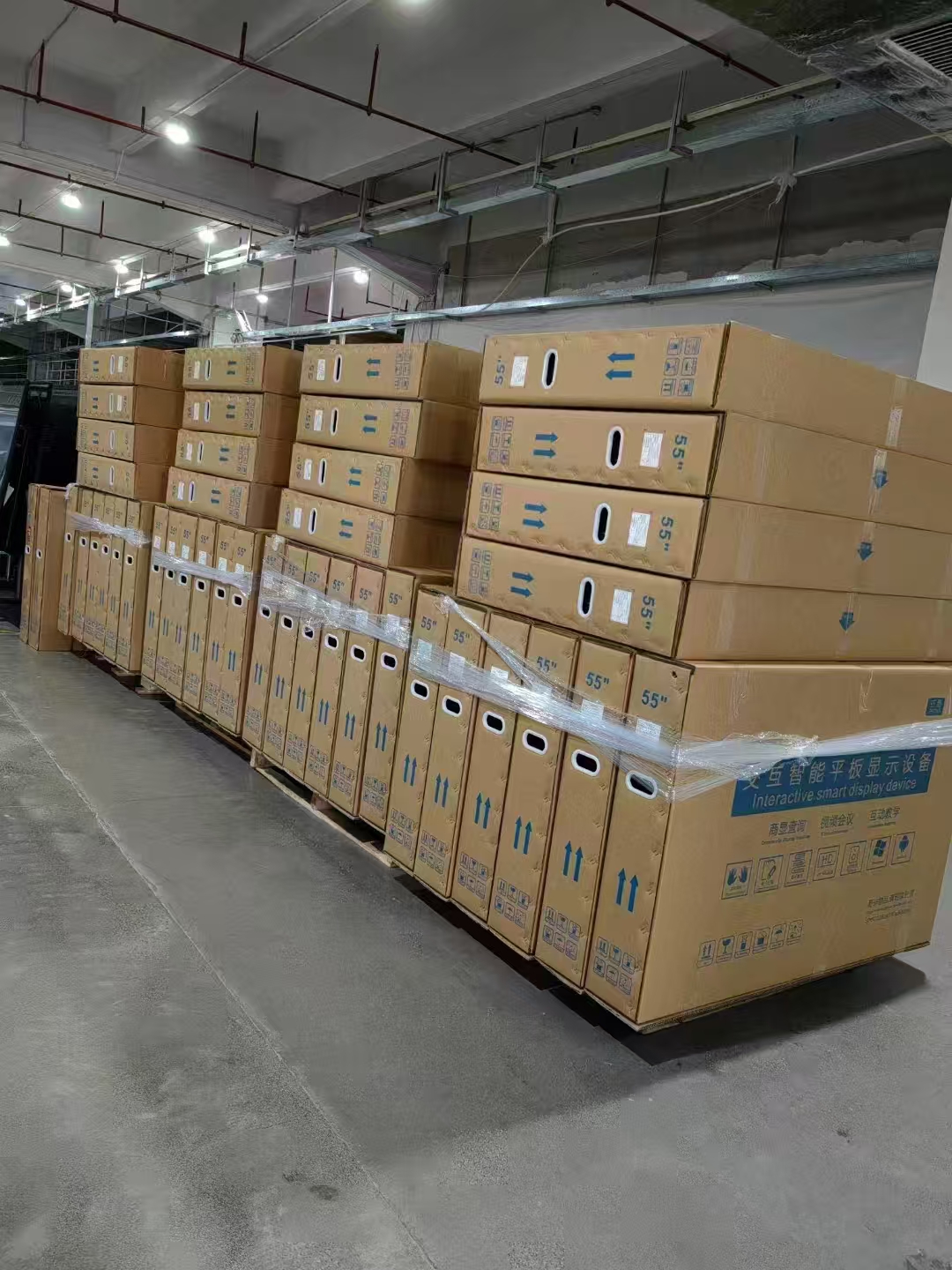
Start with the document pack and a quotation, then schedule a facility walk-through of the 50,000 m³ Guangzhou production site.
Contact: gzkedro@gmail.com · Tel: +86 189-2950-0788 · WhatsApp: +8618929513439 · Unit 103, Building 3, No. 5, Yongshan Village, Shiqi Town, Panyu District, Guangzhou, China
Download the full product catalogue: Kedro Product Catalog (English Edition) with AI Humans
Have Questions or Need More Details?
Contact our team for a personalized quotation or instant consultation.
Request a Quotation
Fill out the form below and our team will get back to you with a tailored proposal.
WhatsApp Direct Chat
Prefer to chat in real-time? Message us on WhatsApp for instant assistance & quick answers.
- Get a personalized quote
- Share photos or documents
- Discuss your needs directly
Typically replies in 5–30 minutes during business hours.