
Application Guide: Matching Commercial Displays to Retail, Lobby, and Outdoor Scenarios
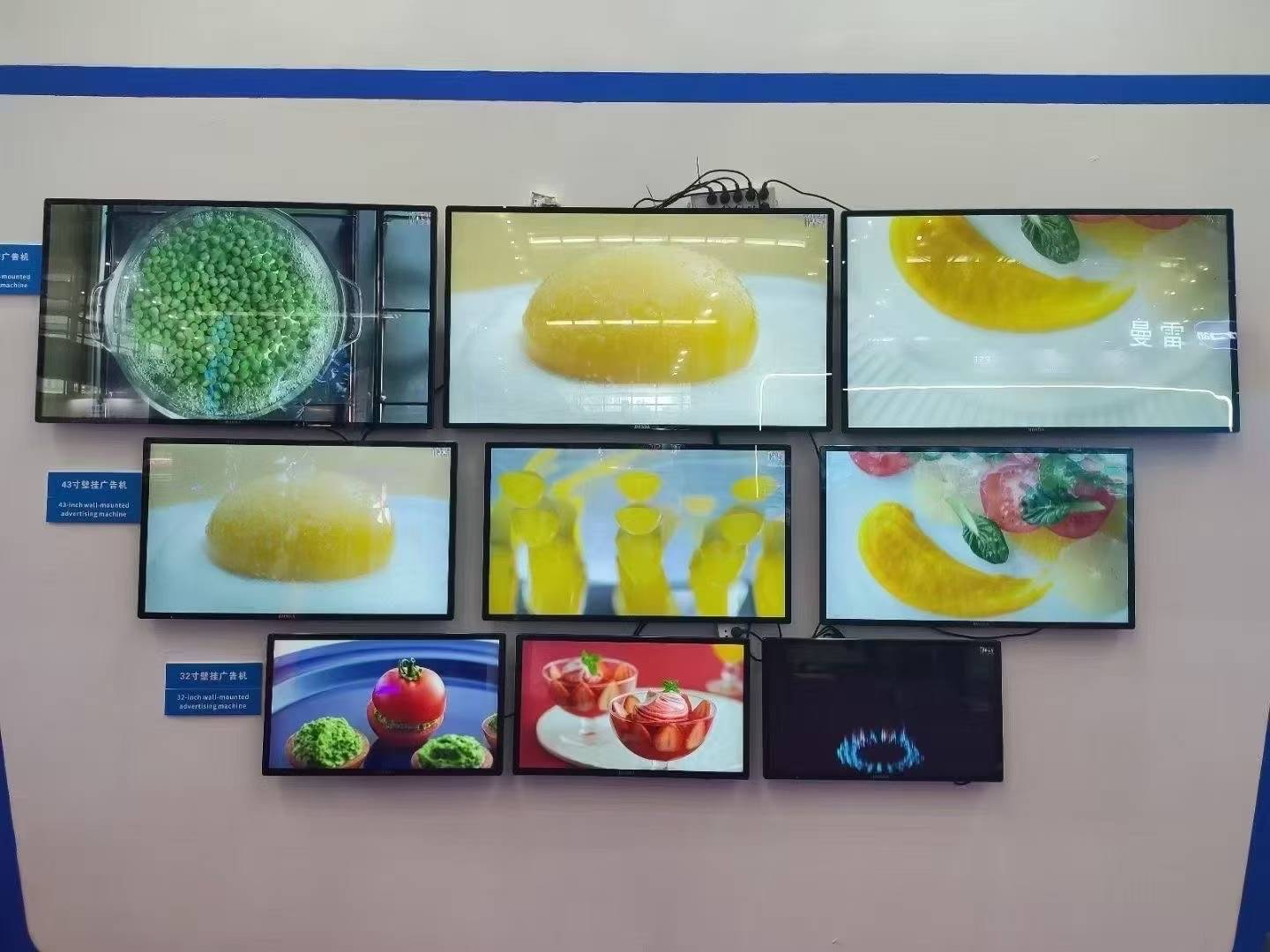
Retail interiors are the most common starting point for commercial display specification, and the most sensitive to brightness and mounting decisions.
A commercial display is specified twice: once in the showroom, and again at the site. The second specification decides whether the unit stays readable at noon, survives a rainy street corner, and still runs in year three. Screen size and unit price rarely decide that outcome. Environment does.
This application guide maps GZKEDRO commercial display series to five recurring deployment environments: indoor retail and lobby, self-service touch points, elevator interiors, transparent showcases, and outdoor or smart-city media. Each section states the environment's constraints first, then the series or configuration that answers them, from the KD-AD Series for indoor signage and the KD-SSK Series for self-service interaction to the KD-EA Series for elevator installs and the KD-OD, KD-DSA, and KD-LED Series for outdoor and high-brightness applications. A pre-specification checklist at the end summarizes the mounting, brightness, and interaction questions to answer before contacting a supplier.
Why Commercial Display Projects Fail Before They Are Installed
Underperforming display installations are rarely defective hardware. They are correctly built units applied to the wrong environment. The failure happens at specification, not at production.
Four environment-driven factors decide most of the outcome:
- Ambient light. A display rated at 450 cd/m2 is designed for controlled indoor light. Placed behind a shop window with direct afternoon sun, the same screen reads as washed out no matter how high its resolution is.
- Ingress protection and enclosure. Outdoor units face rain, dust, and condensation. Without a sealed cabinet structure and an appropriate IP rating, water infiltration becomes a maintenance problem rather than a manufacturing problem.
- Duty cycle and thermal load. Signage running 16 hours a day generates continuous heat. Overheating is one of the most frequently documented failure modes in commercial display projects, and it is solved by thermal design, not by replacement.
- Interaction type. A static menu board, a touch self-service terminal, and a dual-face outdoor advertising machine need different hardware, different software, and different acceptance testing.
Because these factors are set by the site rather than by the catalogue, the correct order of work is: classify the environment, then select the display class, then confirm the model. Reversing that order is the most common reason a project needs re-specification after delivery.
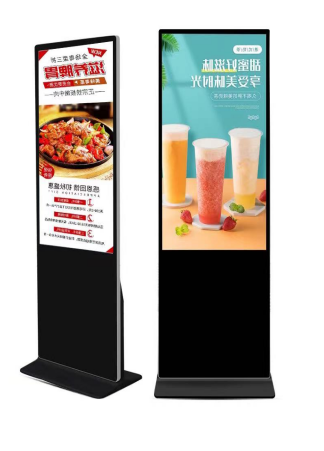
Controlled indoor light lets lower brightness classes perform at their best while keeping panel thermals stable.
Industry Background: Why Environment-Specific Selection Is Now Standard Practice
Commercial display demand has spread from a few controlled locations into almost every public environment, and that spread is what makes environment-first selection a procurement requirement rather than a preference.
The global commercial display market was estimated at USD 53.65 billion in 2024, with digital signage accounting for over 53.73% of revenue share, according to Grand View Research. The same source reports that North America held a 35.6% revenue share of the global digital signage market in 2025, the largest regional share. Growth is not confined to one format: the transparent display market was valued at USD 2.84 billion in 2023 and is expected to reach USD 81.5 billion by 2032, with augmented reality integration cited as a driver by Global Market Insights.
Two consequences follow for buyers. First, units are now installed in environments with very different physical constraints, from air-conditioned lobbies to street furniture. Second, compliance expectations have consolidated: IEC 62368-1 is the primary safety standard for commercial displays as audio/video and IT equipment, replacing the legacy IEC 60950-1 and IEC 60065 standards, according to UL Solutions. A single specification template no longer covers a multi-environment rollout, but a single supplier with a documented range can.
Detailed Solution: Matching GZKEDRO Display Series to Deployment Environments
GZKEDRO (Guangzhou Kedro Electronics Technology Co., Ltd.) is a commercial display manufacturer established in 2013, with research and development centers in Guangzhou and Shenzhen and exports to Europe, the Middle East, and Asia. Its display range is organized so that each series answers a defined environment rather than a defined price point.
Indoor Retail and Lobby: KD-AD Series
The KD-AD Series is an indoor signage display specified at 1920x1080 resolution with 450 cd/m2 brightness, built with an aluminum alloy frame and a tempered glass front.
Why the environment fits. Retail aisles, brand walls, lobby directories, corridors, restaurant spaces, and waiting areas share three properties: ambient light is controlled, viewing distance is moderate, and the screen sits within reach of the public. The 450 cd/m2 class is calibrated for that light level, and the tempered glass front gives the unit a surface that can be cleaned repeatedly without putting the panel behind it at risk. The aluminum alloy frame keeps the unit rigid in wall-mounted or vertical freestanding configurations.
Selection limit. The KD-AD Series is an indoor unit. It should not be specified for positions with direct sunlight or for locations where rain exposure is possible; those positions require the brightness class and enclosure described further below.
Self-Service and Interactive Touch Points: KD-SSK Series
The KD-SSK Series is a self-service display built around an Intel Core i5 10th generation processor with a 21.5-inch screen.
Why the environment fits. Self-service points such as order kiosks, ticketing, self-check-in, queue management, and wayfinding differ from passive signage in one decisive way: the customer is expected to complete a task. That means the unit runs a local application continuously, responds to repeated physical contact, and is judged by whether the transaction finishes. A 10th generation Intel Core i5 provides the local compute headroom for that workload, while the 21.5-inch screen format keeps the interaction area within comfortable standing reach.
Reliability requirements. Touch function failure is a documented risk in high-traffic kiosk deployments. GZKEDRO addresses it with an industrial-grade touch module and calibration system, paired with an operating system that includes a watchdog recovery mechanism, OTA updates, and remote technical support. For multi-site rollouts, the same units can be managed through GZKEDRO's remote cloud control platform, which supports remote deployment, monitoring, and maintenance of devices worldwide.
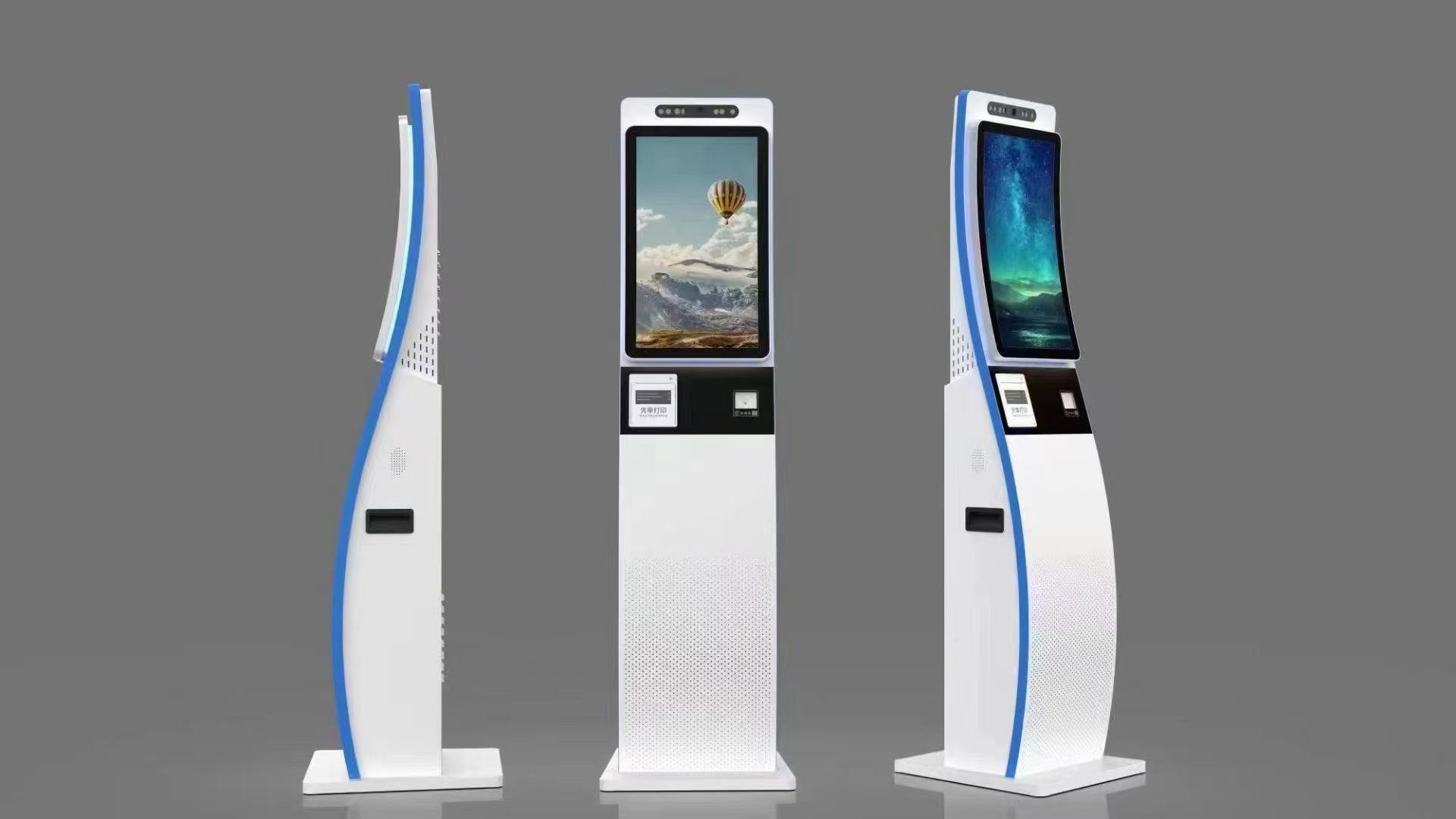
Self-service units are specified by task completion and duty cycle, not by screen size alone.
Elevator Interiors: KD-EA Series
The KD-EA Series is an elevator display using a 622.5 by 343 mm LCD with a 4 mm toughened glass cover.
Why the environment fits. Elevator cars are among the most demanding indoor environments in a building. Space is fixed, viewing distance is under a metre, passenger traffic is continuous, and the panel sits at a height and depth where accidental contact is routine. The 622.5x343 mm format matches the constrained mounting area typical of lift interiors, and the 4 mm toughened glass cover acts as the protective layer between passengers and the LCD. Because elevator banks place several identical units in one building, these projects are usually specified as a set with centralized display management rather than as individual screens.
Transparent Showcase Displays: A Project-Specified Format
Transparent showcase displays are used where the product behind the screen must remain visible, including luxury retail, exhibitions, museums, and brand showcases. The installation logic differs from every other scenario in this guide because three variables are interdependent:
- Transparency level determines how much of the physical product remains visible when content is off.
- Brightness must compete with the lighting inside and behind the showcase; a bright display in a dimly lit case reads as a conventional screen.
- Content design must use high-contrast graphics, because the transparent areas of the panel carry no image information.
Since transparency, brightness, and case geometry are decided together, transparent showcase configurations are confirmed at project specification stage with the supplier rather than selected from a fixed catalogue line. The market signal supports the investment: transparent display revenue is projected to move from USD 2.84 billion in 2023 toward USD 81.5 billion by 2032, with augmented reality integration cited as a driver by Global Market Insights.
Outdoor and Smart-City Media: KD-OD, KD-DSA, and KD-LED Series
Outdoor deployments are specified around weather, daylight, and distance. GZKEDRO covers this environment with three distinct formats.
KD-OD Series: high-brightness outdoor display. IP55 rated, 2000 cd/m2, with a native 1080x1920 portrait format. The 2000 cd/m2 brightness class is what keeps content legible in daylight, where an indoor unit would be unreadable; the IP55 rating indicates protection against dust ingress and water jets, which is the baseline expectation for street-level installation. The portrait format suits pillars, totems, and street-furniture positions where the audience approaches from the front.
KD-DSA dual-screen machine: two-direction outdoor advertising. Also rated at 2000 cd/m2 and built on an RK3288 processing platform, the dual-screen configuration answers one specific problem: sites where pedestrians and vehicle traffic arrive from opposite directions. Two faces on one installation serve both audiences without doubling the footprint.
KD-LED Series: fine-pitch LED for large-format surfaces. Built with a 2.0 mm dot pitch and surface-mount 3-in-1 Ruisheng LED, this series targets large-format walls where a tiled LCD video wall would show visible seams. A finer dot pitch supports closer viewing distance and smoother image rendering, and the modular build allows the display area to be sized to the facade or wall rather than to a fixed panel dimension.
Risk controls that apply to outdoor formats. Overheating, water infiltration, abnormal system crashes, voltage fluctuation, and touch function failure are the documented risk categories in outdoor commercial display work. GZKEDRO's control measures include an intelligent temperature control system and cooling design, sealed cabinet and waterproof structures specified per project, stable Android or Windows operating systems with a watchdog recovery mechanism, surge protection with industrial-grade power management, and industrial-grade touch modules with calibration systems. Before shipment, every relevant unit passes a 72-hour aging test with real-time temperature monitoring, alongside waterproof testing and environmental reliability inspection.
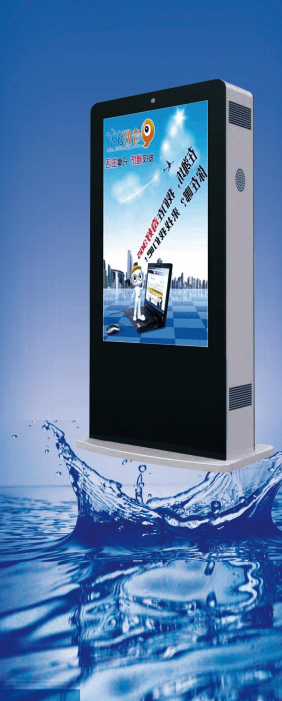
Outdoor formats are specified around daylight legibility, ingress protection, and thermal load.
Step-by-Step Breakdown: Specifying a Commercial Display for a New Site
- Classify the environment. Controlled indoor (retail, lobby, elevator), semi-outdoor (covered walkways, entrances), or full outdoor (street furniture, facades). This single decision eliminates most unsuitable models.
- Set the brightness class from ambient light. Indoor controlled-light positions match the 450 cd/m2 KD-AD class. Full outdoor positions require the 2000 cd/m2 class found in the KD-OD and KD-DSA Series. Brightness is a site decision, not an upgrade option.
- Confirm ingress protection and enclosure. For outdoor positions, the KD-OD Series carries an IP55 rating. Check the cabinet structure, the sealing method, and whether waterproof testing is part of the shipment inspection.
- Check duty cycle and thermal design. Confirm daily operating hours and whether operation is continuous. Request the aging test record: GZKEDRO runs a 72-hour aging test with real-time temperature monitoring before shipment, supported by an intelligent temperature control system and cooling design, while voltage fluctuation is handled with surge protection and industrial-grade power management.
- Define interaction and the content platform. Passive signage, local interactive application (KD-SSK Series, Intel Core i5 10th generation), dual-face outdoor playback (KD-DSA, RK3288), or large-format LED (KD-LED Series). For units that must be updated across multiple sites, confirm remote cloud management, OTA update, and watchdog recovery support.
- Match mounting geometry, then confirm commercial terms. Elevator installs must fit the lift recess, and the KD-EA Series measures 622.5x343 mm with a 4 mm toughened glass cover; indoor units are specified as wall-mounted or vertical freestanding; the KD-OD Series is natively 1080x1920 portrait. Once mounting is fixed, confirm MOQ (2 to 5 units, flexible and project-based depending on size), lead time, delivery, and payment terms.
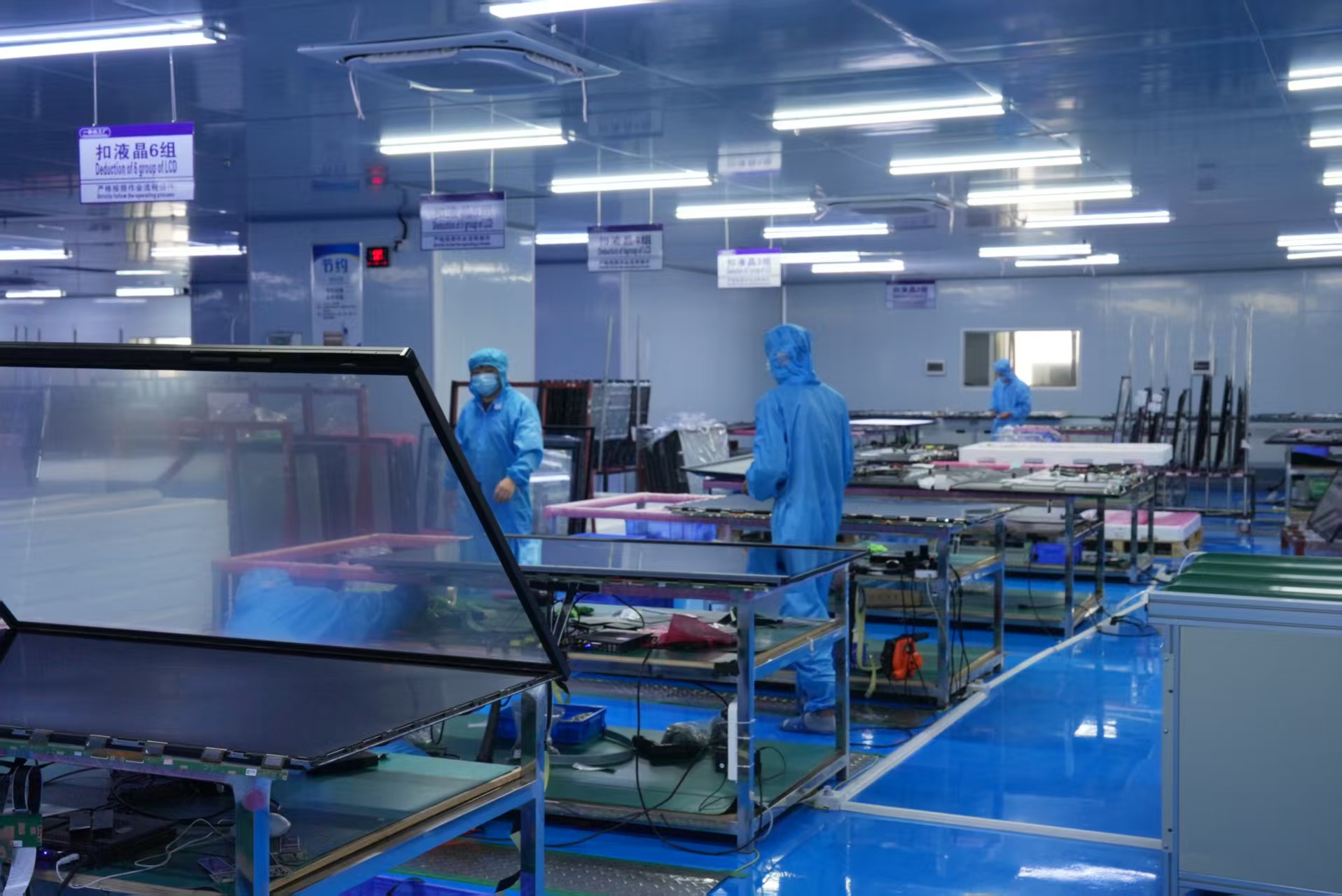
Standard production lead time runs 15 to 30 days, with a maximum of 30 days, against a monthly capacity of 2,000 to 5,000 units.
Use Cases: Three Deployment Patterns
1. Indoor retail chain rollout
A multi-store retail project typically combines passive and interactive units: KD-AD Series displays for brand walls, aisle messaging, and lobby areas, plus KD-SSK Series self-service units for ordering, queue management, or product lookup. Both run under one content policy, one acceptance standard, and one supplier lead time, which simplifies a staged store-by-store opening schedule.
2. Hotel or office lobby with an elevator bank
Lobby communication uses KD-AD Series units at 1920x1080 and 450 cd/m2, while each lift car receives a KD-EA Series unit at 622.5x343 mm with a 4 mm toughened glass cover. Because the elevator displays repeat across the building, the project is specified as a set and managed centrally rather than as individual screens.
3. Outdoor smart-city media installation
Street-level projects choose between a portrait KD-OD Series display (IP55, 2000 cd/m2, 1080x1920) for a single-direction audience, a KD-DSA dual-screen machine (2000 cd/m2, RK3288) where pedestrian and vehicle traffic arrive from opposite sides, and a KD-LED Series wall (2.0 mm dot pitch, surface-mount 3-in-1 Ruisheng LED) where the content surface itself becomes the landmark.
Comparison Table: GZKEDRO Display Series by Scenario
| Series | Deployment environment | Key parameters | Interaction type | Selection trigger |
|---|---|---|---|---|
| KD-AD Series | Indoor retail, lobby, corridors, restaurants | 1920x1080; 450 cd/m2; aluminum alloy frame; tempered glass front | Passive, scheduled content | Controlled ambient light; wall-mounted or vertical freestanding |
| KD-SSK Series | Self-service and interactive touch points | Intel Core i5 10th generation; 21.5-inch screen | Interactive touch with local application | Users must complete a task on screen |
| KD-EA Series | Elevator interiors | 622.5x343 mm LCD; 4 mm toughened glass cover | Passive, short-loop content | Fixed recess, close viewing distance, contact risk |
| KD-OD Series | Outdoor and street-level media | IP55; 2000 cd/m2; 1080x1920 portrait | Networked playback | Daylight visibility plus weather exposure |
| KD-DSA dual-screen machine | Outdoor sites with two-direction traffic | 2000 cd/m2; RK3288 | Dual-face playback | Two audiences served by one installation |
| KD-LED Series | Large-format walls and high-brightness surfaces | 2.0 mm dot pitch; surface-mount 3-in-1 Ruisheng LED | Scalable video content | Wall-sized surface with no visible panel seams |
FAQ
What certification and test evidence should a commercial display carry for retail and outdoor installation?
GZKEDRO product compliance documentation covers international standards including CE, FCC, RoHS, and ISO9001. For safety, buyers commonly reference IEC 62368-1, the primary safety standard for commercial displays as audio/video and IT equipment, which replaced the legacy IEC 60950-1 and IEC 60065 standards according to UL Solutions. Certification alone is not sufficient evidence for an outdoor project, however, so ask for the shipment inspection record as well: GZKEDRO applies 100% aging test and functional inspection, with brightness testing, waterproof testing, touch testing, temperature testing, and continuous operation testing, plus a 72-hour aging test with real-time temperature monitoring before shipment.
Can one supplier cover indoor, elevator, and outdoor display requirements in the same project?
Yes. A single GZKEDRO order can combine KD-AD Series indoor signage, KD-SSK Series self-service units, KD-EA Series elevator displays, KD-OD and KD-DSA Series outdoor formats, and KD-LED Series fine-pitch LED. Monthly production capacity is 2,000 to 5,000 units, which supports staged rollouts across multiple sites. The practical benefit is procedural: one acceptance standard, one lead time, and one content management approach across environments that would otherwise require three different suppliers.
What is the minimum order quantity, and which payment and delivery terms are available?
Minimum order quantity is 2 to 5 units, depending on product size, and GZKEDRO also works with flexible and project-based MOQ arrangements. Payment terms include TT, L/C, D/P, PayPal, Payoneer, Wise, and Western Union. Delivery terms include DDP, CIF, and FOB, by air freight, sea freight, or land transport.
How can a buyer validate a display before committing to a full project order?
Validation should happen against actual site conditions rather than a showroom. Request the model under consideration, then check brightness under the real ambient light at the installation position, touch response for interactive units such as the KD-SSK Series, and physical fit for constrained installs such as the KD-EA Series at 622.5x343 mm. Ask for the aging test record and the functional inspection results from the production run. For multi-site projects, confirm remote cloud management and OTA update support at the same time, so the sample decision and the rollout decision rest on the same evidence.
What is the standard production lead time and monthly production capacity?
Standard production lead time is 15 to 30 days, with a maximum of 30 days, and monthly production capacity ranges from 2,000 to 5,000 units. Because project schedules are usually fixed by opening dates rather than by production convenience, lead time is best confirmed together with the model list and delivery terms (DDP, CIF, or FOB by air, sea, or land) at quotation stage. To request a sample, a scenario-specific quotation, or the current product catalogue, contact GZKEDRO at gzkedro@gmail.com, on WhatsApp at +8618929513439, or through www.gzkedro.com.
Pre-Specification Checklist: Mounting, Brightness, and Interaction
Before contacting a supplier, confirm the following points. Each one narrows the model list.
Brightness
- Measure ambient light at the exact display position, at the brightest hour of the day.
- Controlled indoor light points to the 450 cd/m2 class (KD-AD Series). Daylight outdoor exposure points to the 2000 cd/m2 class (KD-OD, KD-DSA).
- Check whether the position receives direct sun; direct sun changes the brightness requirement even in covered locations.
Mounting
- Confirm wall-mounted, vertical freestanding, recessed, or facade-mounted.
- For elevators, verify the recess dimensions against the 622.5x343 mm KD-EA format and its 4 mm toughened glass cover.
- Confirm orientation: the KD-OD Series is natively 1080x1920 portrait.
- Note daily operating hours and whether operation is continuous.
Interaction
- Decide between passive signage, local interactive application, dual-face outdoor playback, and large-format LED.
- For interaction, confirm the compute platform (Intel Core i5 10th generation for KD-SSK; RK3288 for KD-DSA) and the touch module grade.
- Confirm content management: local playback, remote cloud management, or OTA updates.
Environment and delivery
- Confirm indoor, semi-outdoor, or full outdoor classification, and the required IP rating (IP55 for the KD-OD Series).
- Confirm MOQ (2 to 5 units, flexible), lead time (15 to 30 days), delivery terms (DDP/CIF/FOB), and payment terms.
- Request certification documentation and the aging test, brightness, waterproof, and touch test records with the quotation.
Conclusion
Commercial display selection is an environment-matching exercise. Indoor retail and lobby positions call for the KD-AD Series and its 1920x1080, 450 cd/m2 specification; self-service zones call for the KD-SSK Series with its Intel Core i5 10th generation platform and 21.5-inch screen; elevator cars call for the KD-EA Series at 622.5x343 mm with a 4 mm toughened glass cover; and outdoor work calls for high-brightness formats, including the KD-OD Series at IP55 and 2000 cd/m2, the KD-DSA dual-screen machine at 2000 cd/m2 with an RK3288 platform, and the KD-LED Series with its 2.0 mm dot pitch and surface-mount 3-in-1 Ruisheng LED.
Transparent showcase work follows a fourth path: transparency, brightness, and case geometry are defined together at project specification stage. Across all environments, the same delivery framework applies, with a standard production lead time of 15 to 30 days and a maximum of 30 days, monthly capacity of 2,000 to 5,000 units, and export coverage across Europe, the Middle East, and Asia.
The reliable sequence stays short: classify the environment, set the brightness class, confirm ingress protection and thermal design, define interaction, match the mounting geometry, then confirm commercial terms against a sample. Buyers who complete those six steps arrive at a supplier conversation with a specification rather than a question.
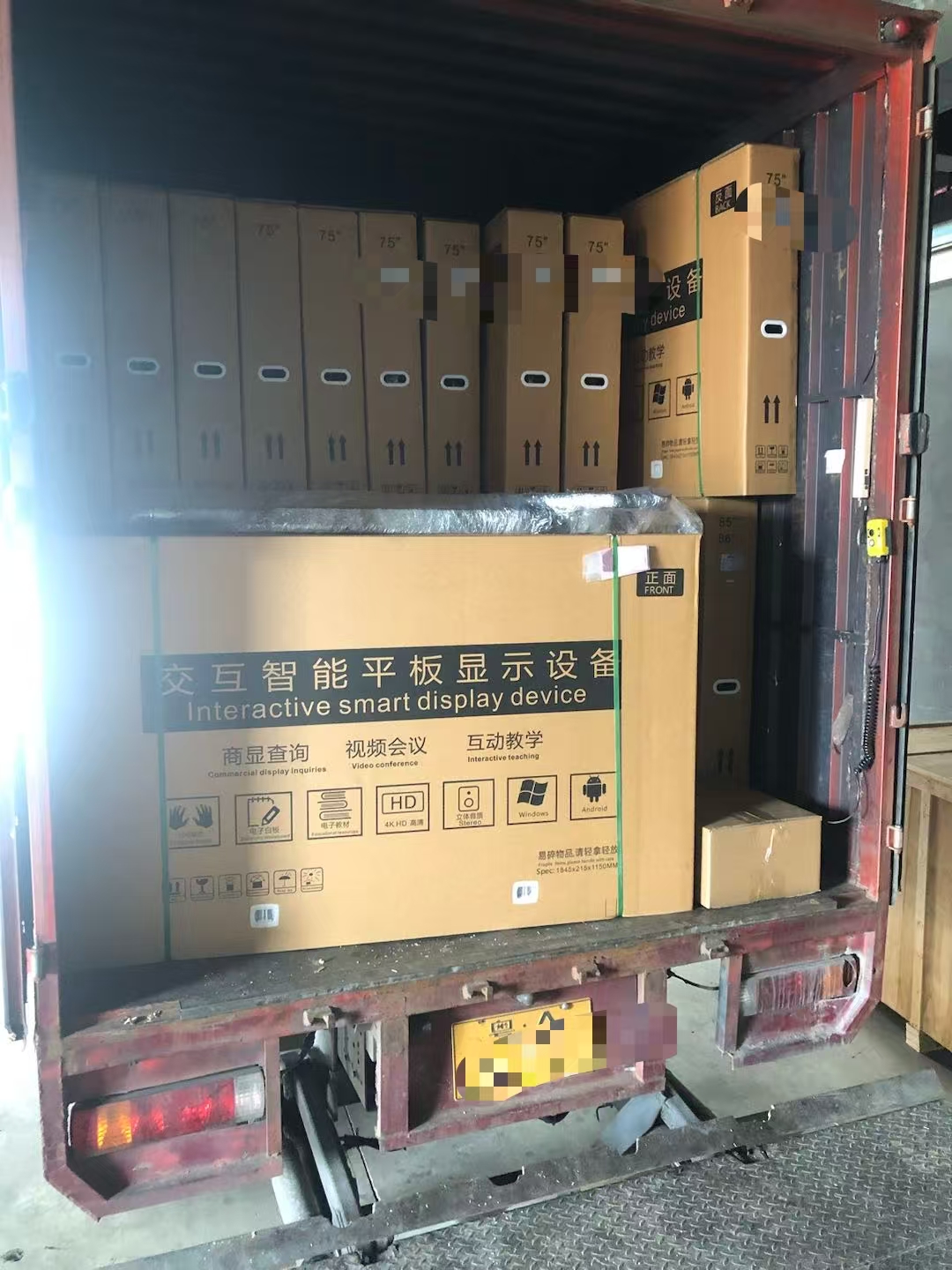
Next step
Request a sample, a scenario-specific quotation, or the current product catalogue. Tell us the environment (indoor retail, lobby, elevator, transparent showcase, or outdoor), the mounting position, and the interaction requirement, and GZKEDRO will confirm the matching series and lead time.
Email: gzkedro@gmail.com | WhatsApp: +8618929513439 | Tel: +86 189-2950-0788
Address: Unit 103, Building 3, No. 5, Yongshan Village, Shiqi Town, Panyu District, Guangzhou, China
Website: www.gzkedro.com | Catalogue: Kedro Product Catalog (English Edition)
Have Questions or Need More Details?
Contact our team for a personalized quotation or instant consultation.
Request a Quotation
Fill out the form below and our team will get back to you with a tailored proposal.
WhatsApp Direct Chat
Prefer to chat in real-time? Message us on WhatsApp for instant assistance & quick answers.
- Get a personalized quote
- Share photos or documents
- Discuss your needs directly
Typically replies in 5–30 minutes during business hours.