
Elevating Retail Experiences: How Interactive Kiosks and Digital Humans Drive Customer Engagement
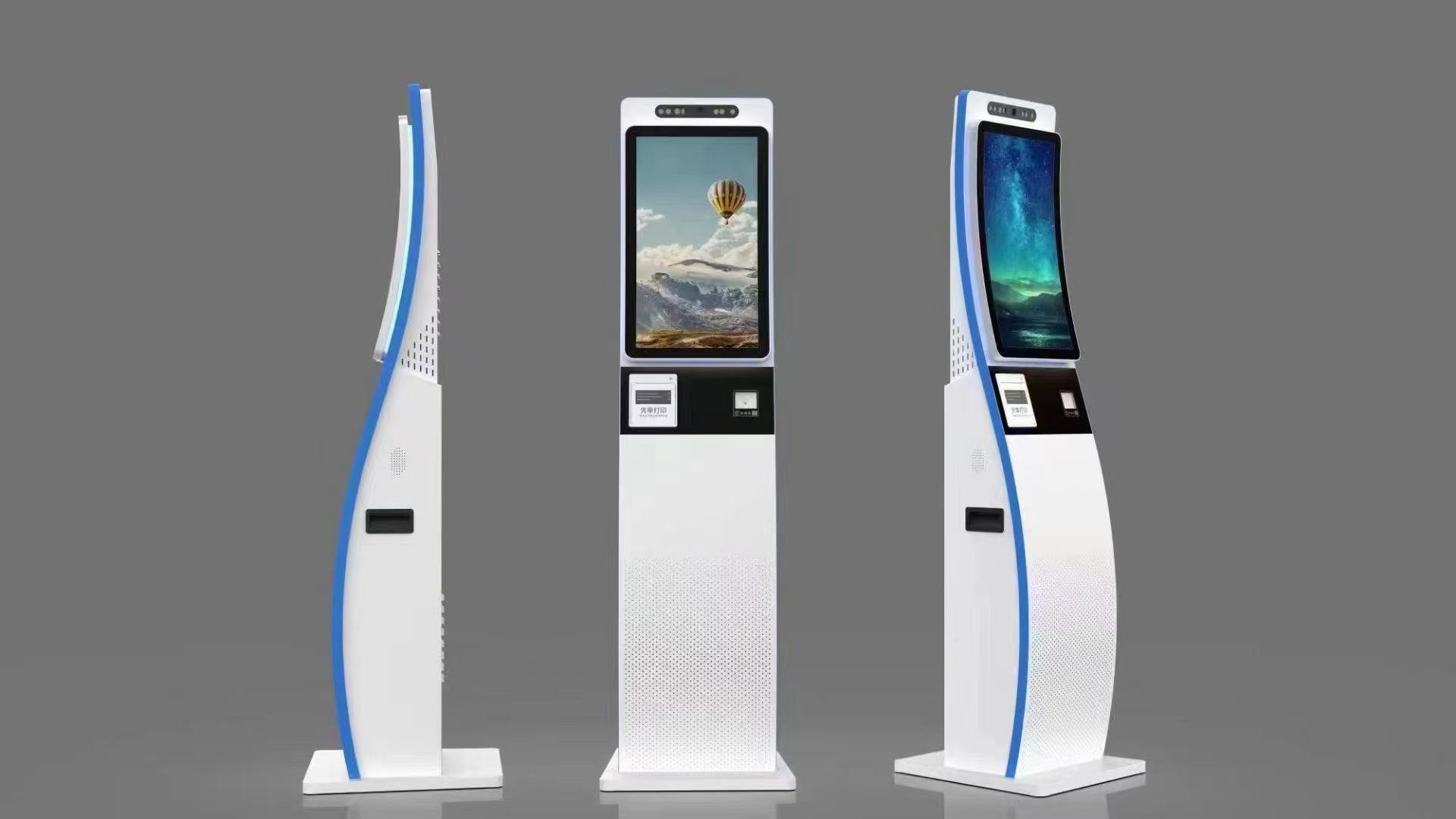
At the decision stage, the retail question is no longer whether to put a screen on the floor, but which interactive format earns the space. Self-service kiosks absorb browsing and check-out tasks that previously required staff, while holographic digital humans deliver assistance and attention at the exact point of interest. Both are commercial display products, and both should be specified, validated, and sourced with the same discipline as any other capital purchase. This guide compares the two formats, the retail jobs each one performs, the shared platform behind them, and the evidence a buyer should demand before committing budget.
GZKEDRO is the commercial display brand of Guangzhou Kedro Electronics Technology Co., Ltd., a manufacturer founded in 2013 with research and development centres in Guangzhou and Shenzhen, supplying commercial display screens, digital signage, smart advertising machines, interactive kiosks, and educational interactive systems to global retail, restaurant, office, and education projects. Its catalogue covers the two formats discussed here, which is why this comparison can be made at specification level rather than at marketing level.
Problem Definition: Where Retail Engagement Breaks Down
Retail engagement fails in the gap between interest and action. A shopper who stops in front of a product usually needs three things within seconds: more information, a way to compare options, and a fast route to payment. Static posters, printed price cards, and conventional signage deliver none of these on demand. They present one message to everyone, they cannot be updated without reprinting the material, and they go silent the moment the message is out of date.
For store operators the same gap appears from the other side of the counter. Staff time is consumed by repetitive questions, while check-out queues build at peak hours. Across a chain of sites, these are structural costs rather than seasonal ones, and they do not respond to training or staffing alone.
Stated in procurement terms, the requirement is this: retail needs display hardware that can both inform and transact, at a predictable cost per site, with content that can be changed centrally. Interactive kiosks and holographic digital humans answer different halves of that requirement. One handles transactions and throughput; the other handles attention and assistance. Buyers who compare them directly usually find that they are complements competing for different square metres of the same shop floor rather than substitutes.
Industry Background: Commercial Display Is Now Retail Infrastructure
Commercial display has grown into a category that is planned as infrastructure rather than purchased as equipment. Grand View Research estimated the global commercial display market at USD 53.65 billion in 2024, with digital signage accounting for over 53.73% of revenue share. The same firm reported that North America held a 35.6% revenue share of the global digital signage market in 2025, the largest regional market — a sign that retail deployments in mature markets are already operating at scale rather than in pilot mode.
The two formats central to retail engagement sit inside the fastest-moving sub-segments of that category:
- Fortune Business Insights projects the holographic display market growing from USD 5.42 billion in 2026 to USD 33.36 billion by 2034, a CAGR of 25.52%. Holographic and digital human formats sit within this segment.
- Global Market Insights valued the transparent display market at USD 2.84 billion in 2023 and expects it to reach USD 81.5 billion by 2032, driven partly by augmented-reality integration — the same display family used for premium retail storytelling.
- Grand View Research estimated the industrial display market at USD 5.90 billion in 2024, supported by IIoT and HMI device penetration. Retail hardware that shares control-room reliability assumptions inherits this benchmark.
Market definitions vary by research provider and by whether software and specialty hardware are included in the figure. The values above are named third-party estimates used for category sizing; they are not forecasts of return for an individual retail project.
On the supply side, Market Research Future identifies Samsung Electronics and LG Display as global leaders in the commercial and large-format display market, with Samsung's "The Wall" driving MicroLED growth. That concentration is useful context for buyers: the format is proven at the top of the market, while mid-market retail projects are typically served by manufacturers who specialise in integration, customisation, and category breadth rather than in panel manufacturing alone. GZKEDRO operates in that second group, with a 50,000 m² manufacturing base, 200+ employees, a 100+ person R&D team, and 80% of output exported to global markets.
Detailed Solution: Two Formats, Two Retail Jobs
Interactive Self-Service Kiosks: Browsing and Check-Out in One Device
A self-service kiosk turns a display into a workstation. Instead of pushing a single message, it lets the customer drive: browse the catalogue, narrow by category, open product detail, confirm what is available, and complete check-out without waiting for an assistant. In practice, the kiosk replaces the queue, not the product.
Technically, GZKEDRO kiosks are built on commercial display panels with 4K image quality and multi-touch interaction, with infrared sensing and AI gesture recognition available to keep input reliable in bright, high-traffic conditions. Because a kiosk is often the only screen a customer physically touches, interaction reliability is a specification rather than a feature: the touch layer, the panel, and the operating system all have to survive continuous daily use without drift or failure.
The operational advantage appears once content operations are centralised. A remote cloud control platform supports deployment, monitoring, and maintenance of devices worldwide, so a chain can change a promotion, a price, or a menu across hundreds of units without printing anything. Compared with alternatives, GZKEDRO's format comparison records a 40% reduction in printing costs for digital display deployment, which is the cost line most directly removed by putting content on a screen instead of on paper.

Holographic Digital Humans: Assistance That Stops Foot Traffic
A holographic digital human works on attention rather than on transaction. It presents a human-scale visual presence that draws shoppers toward a product zone or brand corner, and it engages them on arrival. In the display taxonomy this format belongs to AI smart display: screens defined by AI voice interaction and intelligent advertising, used in AI retail and smart commercial spaces for intelligent customer engagement and automated advertising management.
Where a kiosk is judged by throughput, a digital human is judged by dwell time, approach rate, and recall. It produces a modern, futuristic display effect that static signage cannot reproduce, which is why the format concentrates in luxury retail, brand exhibitions, and flagship environments where differentiation is the objective rather than inventory movement.
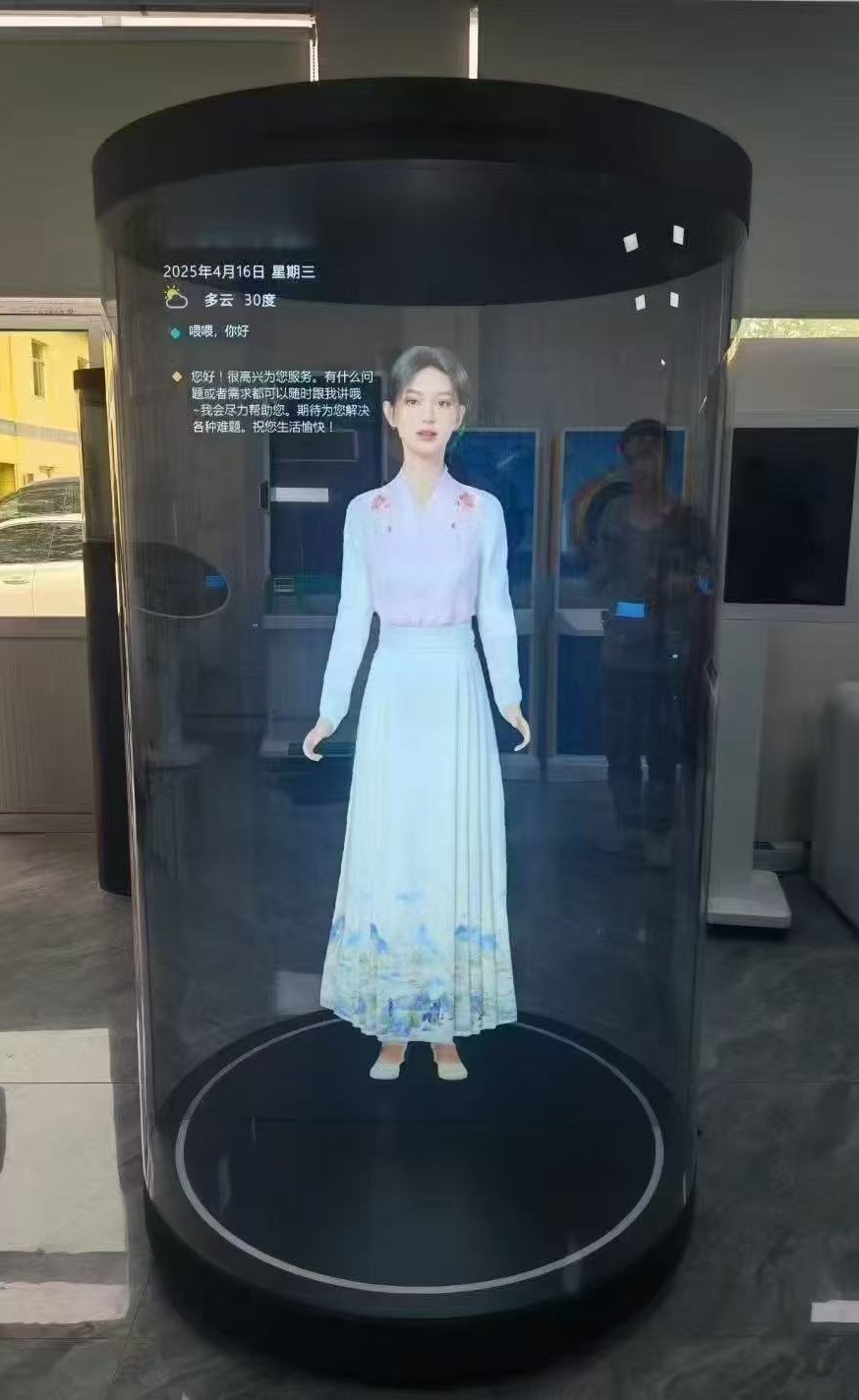
Deployed together, the two formats form a sequence: the digital human attracts and qualifies interest, the kiosk completes the task. Buyers comparing them head-to-head typically end up specifying both, on different positions of the same store plan.
Shared Platform Capabilities Behind Both Formats
Retail buyers should evaluate the platform, not only the enclosure, because both formats depend on the same display, interaction, and management layers:
- Ultra-high-definition 4K display panels delivering vibrant colour and clear detail.
- Multi-touch, infrared sensing, and AI gesture recognition for smooth, accurate human-computer interaction.
- Remote cloud control for deployment, monitoring, and maintenance of devices worldwide.
- Certification to CE, FCC, RoHS, and ISO9001, covering product safety, reliability, and environmental requirements.
- Manufacturing capacity of 50,000 m² with 200+ employees and a 100+ person R&D team, exporting 80% of output and supplying 1000+ commercial display units globally each year.
Step-by-Step Breakdown: Planning a Retail Kiosk and Digital Human Rollout
Step 1 — Define the retail job before the hardware
Write the task in one sentence: item lookup, self check-out, queue deflection, product storytelling, or brand attraction. A browsing-and-check-out kiosk and a holographic digital human are specified differently because their success metrics differ, and a project that mixes the two objectives in one device usually satisfies neither.
Step 2 — Assign each format to a position on the floor plan
Place kiosks where customers already stop and wait, and place digital humans where the objective is to interrupt movement — entrances, category corners, and feature zones. Avoid putting both formats in the same sightline, where they compete for the same shopper instead of working in sequence.
Step 3 — Specify for the environment, not for the showroom
Retail lighting is hostile to screens, so brightness is the first parameter to fix. GZKEDRO's outdoor-capable display formats are specified with ultra-high brightness in the 1500–3500 nit range to remain legible in high-ambient-light conditions, with automatic brightness adjustment for mixed indoor and outdoor placement. Where a unit stands near an entrance, behind a glazed facade, or in an outdoor-facing position, waterproof and sunlight-readable construction with IP65 protection and anti-glare treatment is the relevant reference point, supported by sealed cabinet design and an industrial cooling system for 24/7 operation. Indoor kiosks in covered malls generally need less environmental protection, but should still be specified for continuous-duty use rather than office hours.
Step 4 — Plan content and remote operations at the same time
Decide who owns the content, how it is scheduled, and who is allowed to push changes before the hardware arrives. Centralised management is the reason kiosk and digital human deployments pay back: remote CMS management, split-screen playback, and scheduled deployment let one team run many sites. The two formats also carry different content risk. Kiosk content is transactional, so accuracy is critical; digital human content is persuasive, so relevance and rotation matter more than precision.
Step 5 — Validate the units before the rollout, not after
Validation is the point where specification risk transfers from the buyer to the manufacturer, so ask for production test evidence rather than a demonstration unit. GZKEDRO's pre-shipment validation includes a 72-hour aging test with real-time temperature monitoring, waterproof testing and environmental reliability inspection, software validation with OTA updates and remote technical support, power stability testing with component quality inspection, and functional testing and quality control before delivery. These map directly onto the five failure modes that hurt retail most: overheating, water infiltration, system crash, voltage fluctuation, and touch function failure.
Step 6 — Measure the metric each format owns
For kiosks, track completed check-outs, queue length, and staff interventions per hour. For digital humans, track dwell time, approach rate, and brand recall at the zone. Comparing the two on a single metric — usually foot traffic — is the most common planning error, because it hides which format is actually doing its job.
Use Cases: Where Each Format Earns Its Place
Retail chain stores benefit most from standardised kiosk deployment: identical browsing and check-out flows, identical content schedules, and central remote updates across every branch. The commercial case is consistency as much as interaction, since a promotion can be live in all stores on the same day.
Shopping malls and flagship stores use a mixed plan. A holographic digital human at the entrance advertises AI retail and smart commercial spaces and creates the futuristic visual effect that draws shoppers inward, while kiosks inside the store handle catalogue browsing, product detail, and check-out.
Restaurants and food-service venues use the same kiosk logic for menu browsing, ordering, and payment, where queue pressure at peak hours is the dominant operational problem. Digital humans are used less frequently here; where they appear, the objective is brand character rather than throughput.
Exhibitions and brand showrooms lean toward digital humans and transparent display formats, because the retail task is attention and storytelling rather than transactional. Luxury retail follows a similar pattern, where transparent visual advertising and a modern futuristic display effect carry a premium brand marketing value that printed material cannot match.
Store environments that face outward — window displays, kiosks near entrances, and outdoor advertising positions — are usually specified separately, with waterproof and sunlight-readable construction, IP65 protection, anti-glare treatment, and industrial cooling for 24/7 operation. Treating outdoor-facing retail units as a distinct specification line, rather than as an extension of the indoor order, is what prevents the maintenance problems that surface in the second year of operation.
Comparison Table: Matching Retail Formats to Retail Tasks
The table below compares the display formats most relevant to retail engagement on the dimensions buyers actually decide on: the retail task, the interaction model, the documented engagement or efficiency evidence, and the operating cost profile. Values are drawn from GZKEDRO's commercial display comparison data and are format-level comparisons, not guarantees of individual project outcomes.
| Format (upgrade path) | Retail task | Interaction and content model | Engagement / efficiency evidence | Cost and maintenance profile | Best-fit retail setting |
|---|---|---|---|---|---|
| Traditional monitor → interactive display (self-service kiosk) | Catalogue browsing, assisted selling, check-out | Multi-touch and intelligent interaction | Faster customer interaction; higher operational efficiency | Remote cloud updates; smart standby power saving | Smart retail and education; store sales floors |
| Normal screen → AI smart display (holographic digital human) | Customer assistance and attraction | AI voice interaction and intelligent advertising | Intelligent customer engagement | Automated advertising management; AI cloud system support | AI retail and smart commercial spaces |
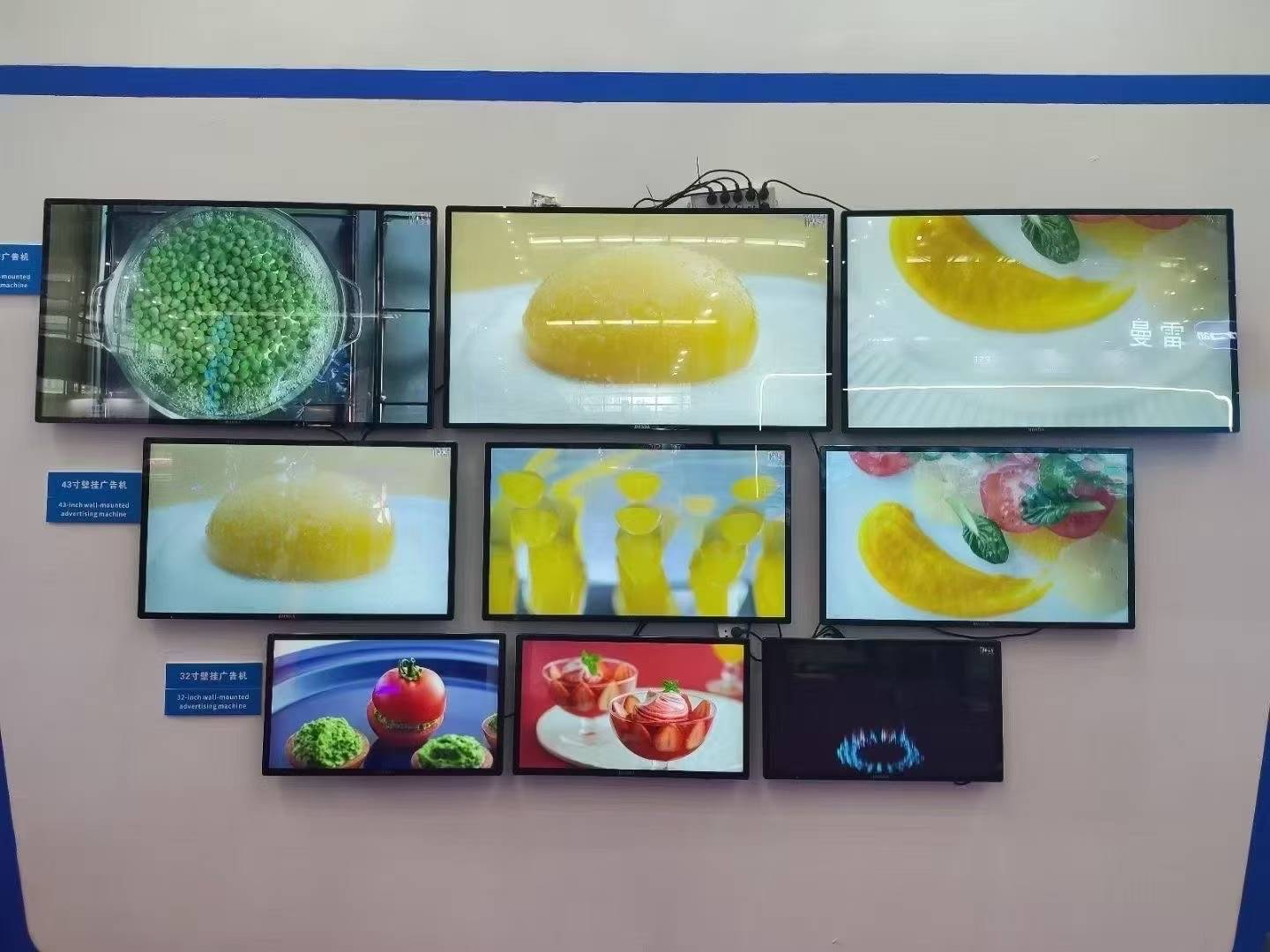
| Traditional advertising → advertising display | In-store promotion and campaign rotation | Dynamic multimedia and real-time content updates | 3–5x higher customer engagement versus traditional advertising | 40% reduction in printing costs; remote CMS management | Retail stores, malls, restaurants, exhibitions |
| Static display → LED display | Window, facade, and outdoor advertising | Dynamic multimedia advertising and real-time content updates | 1500–3500 nits brightness for outdoor visibility; 24/7 stable operation | Long-term advertising savings; LED low-power technology | Outdoor advertising and smart city projects |
| Standard display → transparent display | Brand storytelling in open retail space | Transparent visual advertising technology | Modern futuristic display effect | Premium brand marketing value; easy installation and maintenance | Luxury retail and exhibitions |
| Standard screen → ultra-thin display | Space-constrained placements and window units | Slim industrial design with lightweight structure | 30% space optimization | Lower installation cost; easier transportation and setup | Retail and corporate spaces |
FAQ: Retail Kiosk and Digital Human Decisions
1. What certifications and safety standards should a retail kiosk or holographic digital human meet before installation?
At minimum, the product should carry the certifications its destination market requires. GZKEDRO commercial display products are certified to CE, FCC, RoHS, and ISO9001, covering product safety, reliability, and environmental requirements. From a standards perspective, IEC 62368-1 is the primary safety standard for commercial displays as AV and IT equipment, having replaced the legacy IEC 60950-1 and IEC 60065 standards, according to UL Solutions. Retail buyers should also confirm environmental protection in writing wherever a unit sits near an entrance, behind glazing, or in an outdoor-facing position: GZKEDRO specifies a sealed cabinet with IP65/IP66 waterproof structure for those conditions, verified through waterproof testing and environmental reliability inspection before shipment.
2. Can one interactive kiosk handle both browsing and check-out, or is a separate device required?
A single self-service kiosk can carry both functions when it is specified for continuous interaction rather than one-way playback. The decisive capabilities are multi-touch input, infrared sensing, and AI gesture recognition, running on 4K commercial display panels for product imagery and detail pages. Because browsing and check-out are software-driven tasks, the practical limit is normally the operating platform rather than the panel: GZKEDRO devices run stable Android or Windows operating systems with a watchdog recovery mechanism, and are managed through a remote cloud control platform that supports deployment, monitoring, and maintenance of devices worldwide.
3. How do interactive kiosks and digital humans change the retail cost structure compared with traditional signage?
The largest structural change is in content cost. Traditional advertising displays depend on printed material that must be produced and replaced, while digital formats use dynamic multimedia and support real-time content updates; GZKEDRO's format comparison records a 40% reduction in printing costs for interactive display deployment compared with alternatives. Other cost lines that shift are hardware integration, which falls when playback is consolidated into the display instead of added around it; installation and space, where ultra-thin and lightweight structures lower setup effort and use less floor area; and energy, where smart energy-saving systems, automatic brightness adjustment, and smart standby power saving reduce continuous operating draw. Holographic digital human displays sit at the premium end of the same logic: they are justified by brand marketing value and attention capture rather than by printing or queue savings.
4. Can a buyer validate a kiosk and a digital human before committing to a full store rollout?
Yes, and validation should be based on production evidence rather than on a demonstration unit. GZKEDRO's pre-shipment validation includes a 72-hour aging test with real-time temperature monitoring, waterproof testing and environmental reliability inspection, software validation with OTA updates and remote technical support, power stability testing with component quality inspection, and functional testing and quality control before delivery. For retail projects this matters most for the two failure modes that are expensive on a live sales floor: touch function degradation and overheating under continuous operation. The usual sequence is a pilot deployment in one store, review of the interaction and content metrics, then chain-wide release.
5. What determines lead time for a retail display order, and how should it be planned?
Lead time is driven by configuration rather than by catalogue position. Three variables dominate: whether the unit is a standard commercial display or a customised enclosure and interface, whether the content platform must be configured and integrated with existing systems, and how many sites are in the first wave. Because every unit passes a 72-hour aging test plus functional and quality control checks before shipment, validation time is part of the schedule and should be planned into the opening date rather than added after it. GZKEDRO's manufacturing base covers 50,000 m² with 200+ employees and a 100+ person R&D team, and the company supplies 1000+ commercial display units globally each year, so capacity exists for both pilot quantities and multi-site rollouts. For project-specific scheduling, send the site list, format mix, and required delivery window to gzkedro@gmail.com or WhatsApp +8618929513439, and download the Kedro Product Catalog (English Edition) for the current format and specification list.
Conclusion: From Format Choice to Sourcing Decision
Interactive kiosks and holographic digital humans solve two different retail problems, and the decision between them is usually a decision about sequence rather than about either/or. Kiosks remove the operational friction of browsing and check-out and cut the printed-material cost line by 40% compared with alternatives; digital humans create the attention that brings shoppers into the zone where the kiosk can finish the job. Both depend on the same platform foundations: 4K commercial panels, multi-touch and AI gesture interaction, central remote management, and certification coverage that satisfies CE, FCC, RoHS, and ISO9001 requirements.
The buyer's leverage is in specification and evidence. Fix the retail task, assign the format, specify for the real lighting and environmental conditions, and require the aging, waterproofing, software, power, and functional test evidence before volume production is released. That sequence converts an engagement idea into a display programme that can be rolled out store by store without surprises.
Next Step for Your Retail Display Project
GZKEDRO supports retail kiosk and holographic digital human projects from format selection through customisation, production testing, and after-sales service. To move from comparison to specification, share your site list, target format mix, and delivery window with the team, or request a sample and pilot-unit configuration for evaluation.
GZKEDRO commercial display solutions | Email: gzkedro@gmail.com | WhatsApp: +8618929513439 | Catalog: Kedro Product Catalog (English Edition)
Have Questions or Need More Details?
Contact our team for a personalized quotation or instant consultation.
Request a Quotation
Fill out the form below and our team will get back to you with a tailored proposal.
WhatsApp Direct Chat
Prefer to chat in real-time? Message us on WhatsApp for instant assistance & quick answers.
- Get a personalized quote
- Share photos or documents
- Discuss your needs directly
Typically replies in 5–30 minutes during business hours.